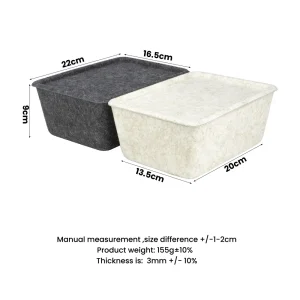
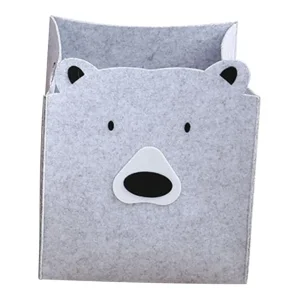
Explore high-performance felt storage bins and design-optimized solutions to transform internal cabinets and closet systems.
An expert-level analysis of the global spatial transformation market, cost optimization pathways, and acoustic-material integration.
The pricing structure for custom under-stairs wardrobes is governed by design complexity, material specifications, and engineering configurations. A typical entry-level modular under-stairs shelving layout starts around $600 to $1,200, utilizing flat-pack MDF structures and pre-fabricated slide configurations.
For specialized bespoke implementations with flush push-to-open doors, soft-close heavy-duty runners (capable of bearing 80kg+ loads per drawer), and moisture-resistant structural elements, quotes from premium carpentry companies generally range from $2,500 to $6,500. Key cost drivers include:
Rapid urbanization and the rise of high-density metropolitan residential housing projects have fueled a surge in spatial efficiency optimization. According to recent architectural statistics, European and East Asian residential design standards have prioritized the conversion of the "dead zone" underneath domestic staircases.
Historically treated as structural voids containing utility boxes, modern layouts leverage these zones for walk-in coat racks, home offices, and concealed laundry bays. Sustainability is driving the adaptation of eco-friendly materials, reducing toxic formaldehyde emissions from traditional particleboards.
Under-stairs structures are prone to hollow acoustic amplification, transmitting high-frequency step vibrations from the staircase into the storage space. The integration of polyethylene terephthalate (PET) or natural wool felt lining within custom drawers serves a dual purpose: acoustic dampening and physical protection.
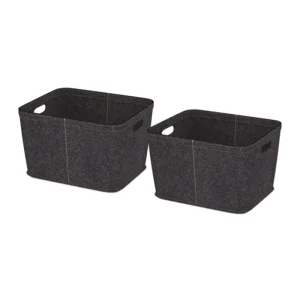
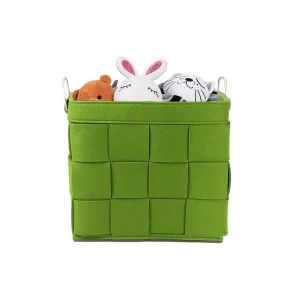
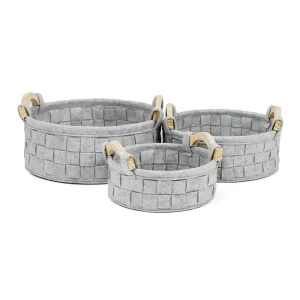
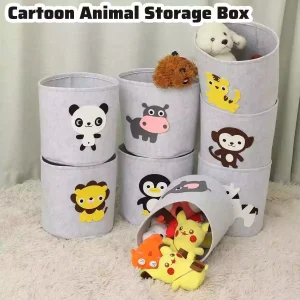
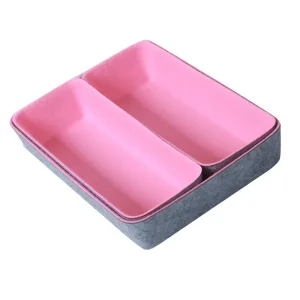
Felt baskets, storage bins, and fabric wall paneling inside under-stairs systems dramatically absorb sound reverberations. As a leading manufacturer of felt materials, our production lines specialize in providing lightweight, customizable, and high-tensile felt organizers that fit seamlessly into modular pull-out shelves.
Delivering macro spatial solutions through digital fabrication, CNC manufacturing, and modern layout optimization.
UK & European Victorian Properties: Characterized by narrow hallways and steep, single-run stairways. The preferred design path involves multi-tier pull-out drawers (slide-outs) that glide parallel to the wall, optimizing access without obstructing passageways.
Modern US Subdivisions: Often feature wider, L-shaped or U-shaped staircases. This allows for deep walk-in modular wardrobes or custom home office setups with built-in desks, integrating ventilation systems for IT equipment.
Modern wardrobe manufacturing utilizes laser scanning to generate 3D point clouds of the under-stairs void. This completely eliminates errors caused by manual leveling tools.
The parametric CAD files are translated straight to CNC routers. This enables swift processing of angled doors and precise structural joinery. This technology lowers cost thresholds, allowing manufacturers to pass on operational savings directly to end customers.
Modern residential standards require structural materials that comply with low VOC emission standards. Integrating certified eco-friendly acoustic boards, natural felt organizers, and FSC-certified timber paneling guarantees the closet environment remains free from toxins.
Ulike’s comprehensive audits—including BSCI, ISO9001, and the Responsible Wool Standard (RWS)—insure that our felt bin liners, collapsible storage options, and dividers promote healthy indoor air quality.
Ensuring quality, scalability, and premium craftsmanship across global distribution routes.
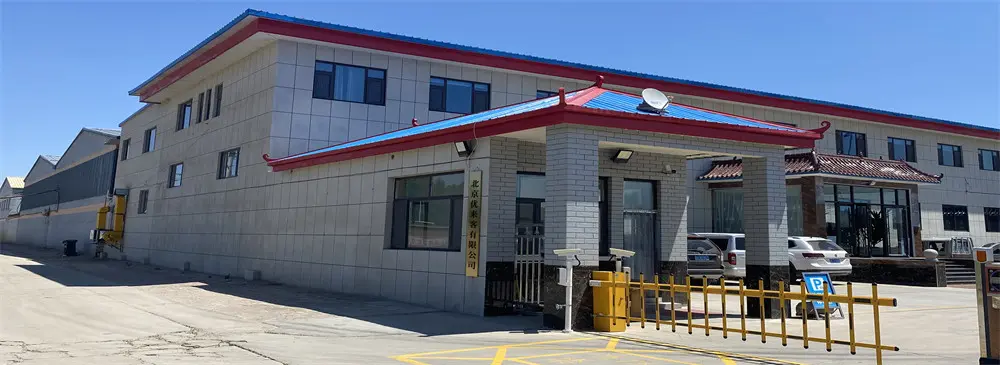
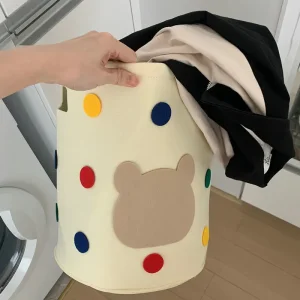
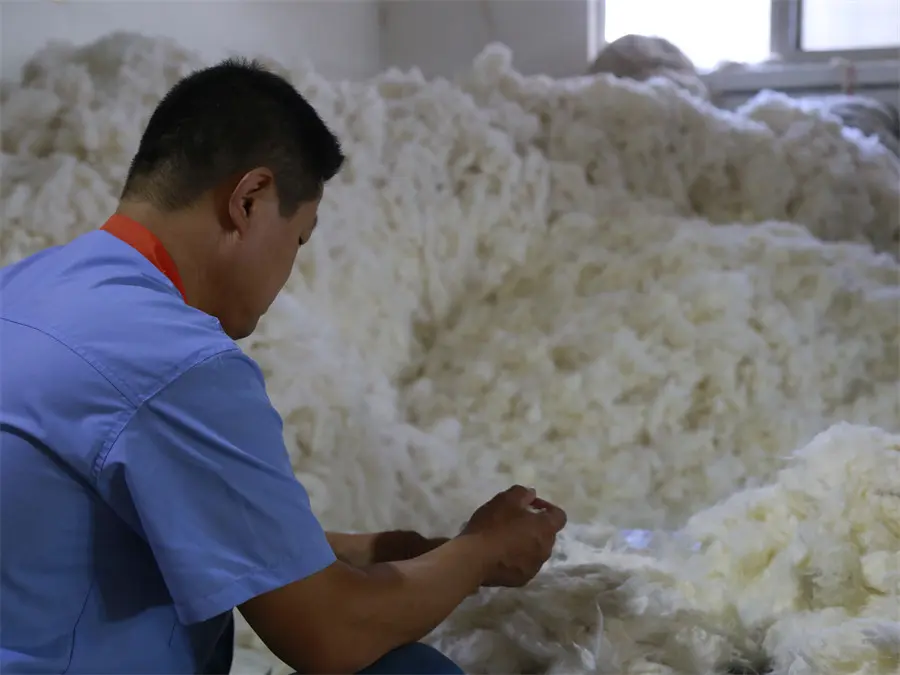
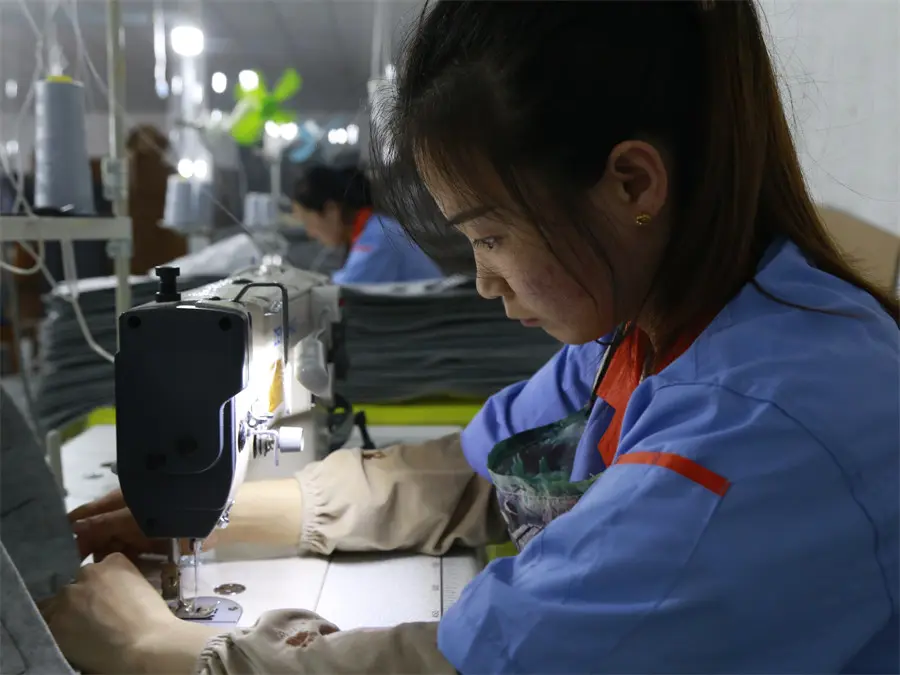
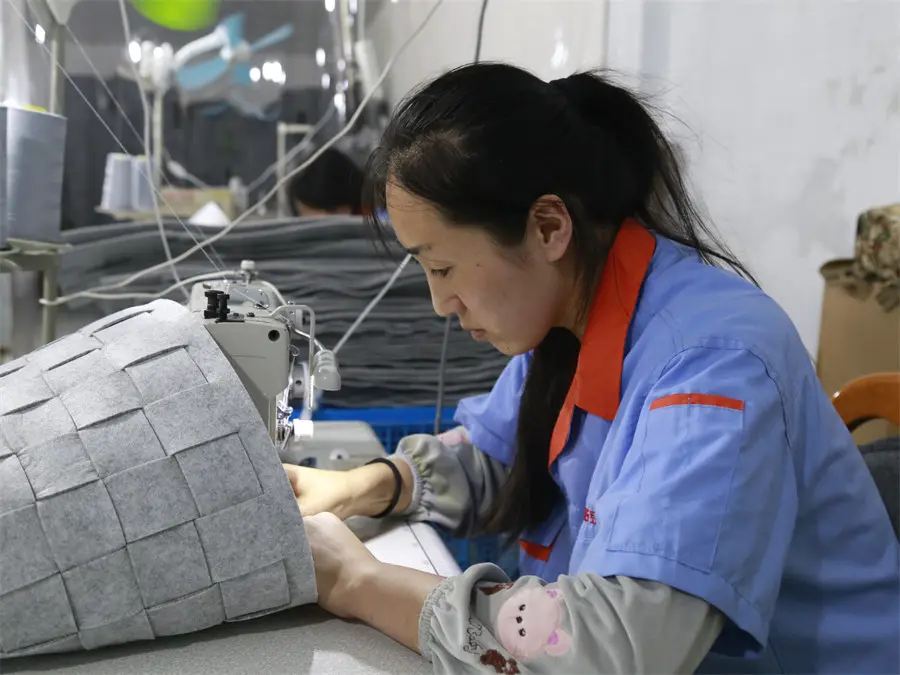
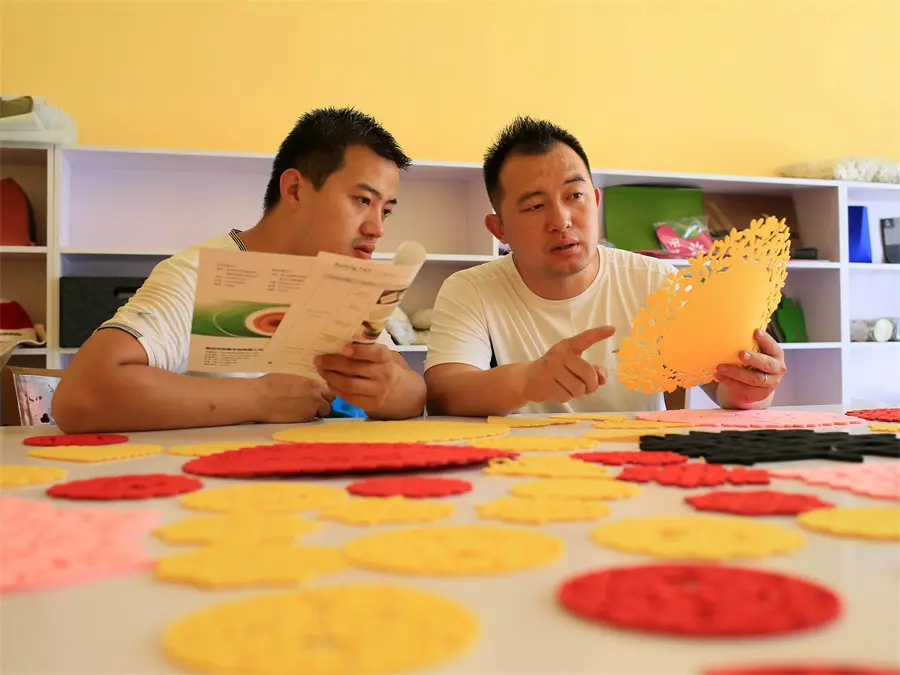
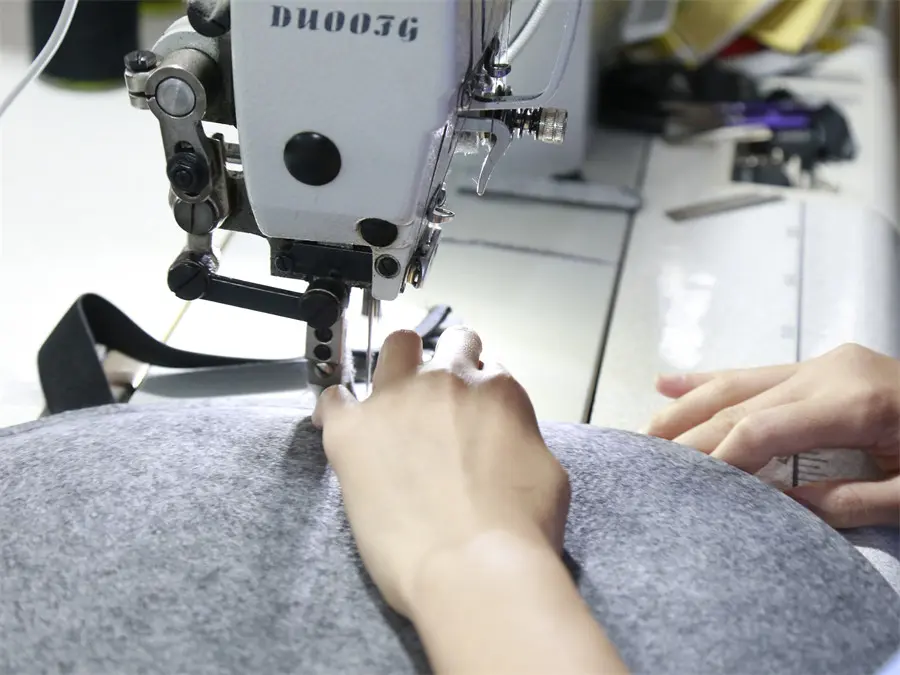
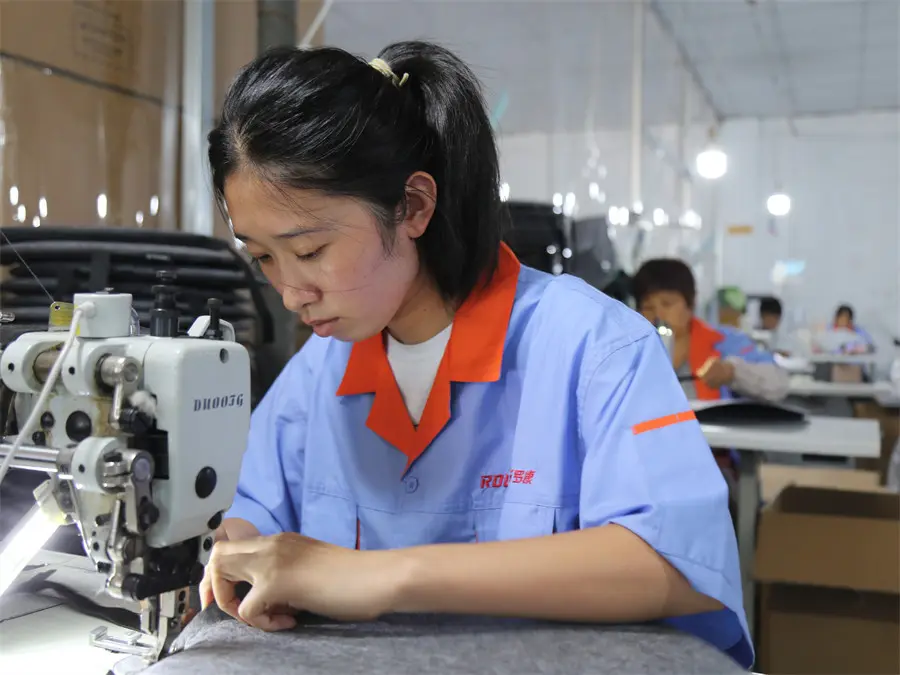
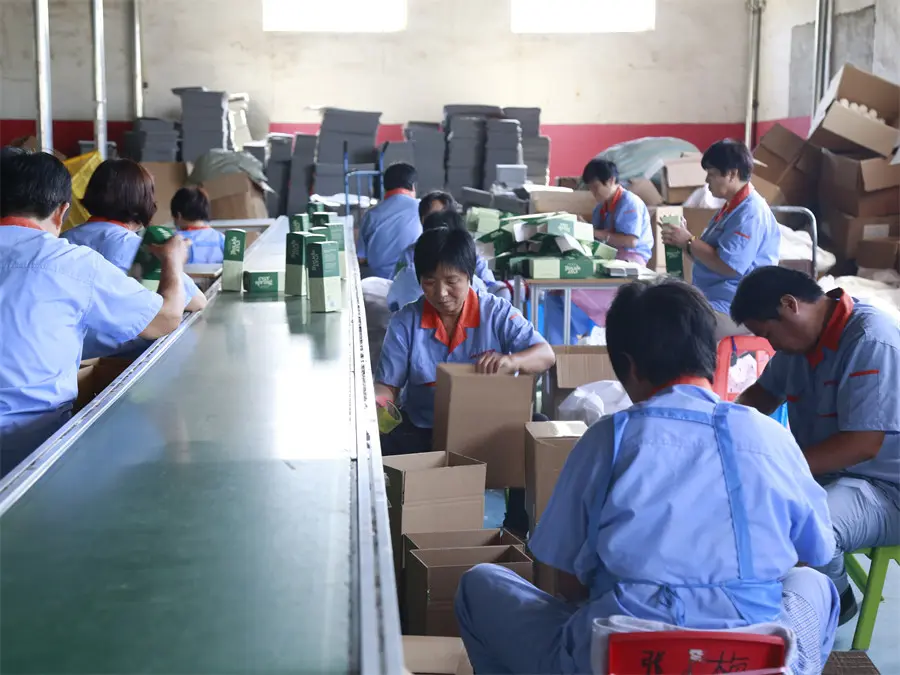
Ulike is one of the biggest manufacture of felt products, the main business is felt material, acoustic panel, wool dryer balls, felt basket, felt laundry hamper and all kinds of felt products. it has BSCI, ISO9001, RWS international management system Audit; so all the orders are Eco-friendly from Rolking, there are 9 production line with 80+ workers, most of them are more than 10 years of related experience. Lead time fast, quality is guaranteed.
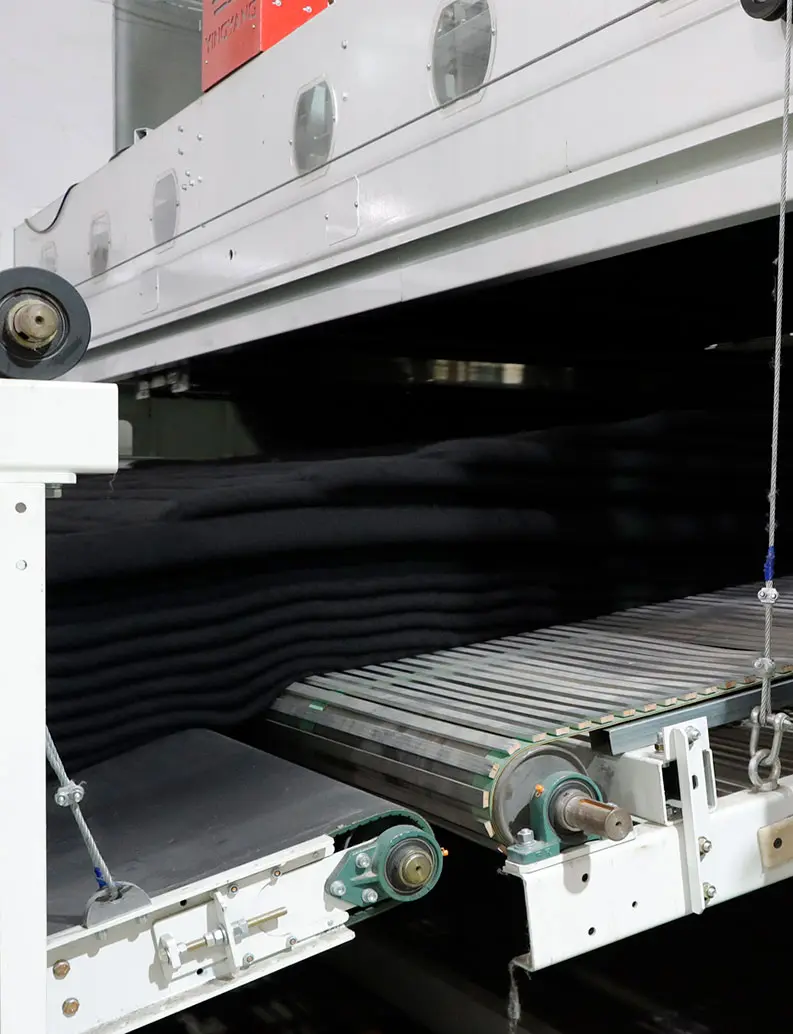
We take pride in delivering top-notch storage product that exceed our customers' expectations.
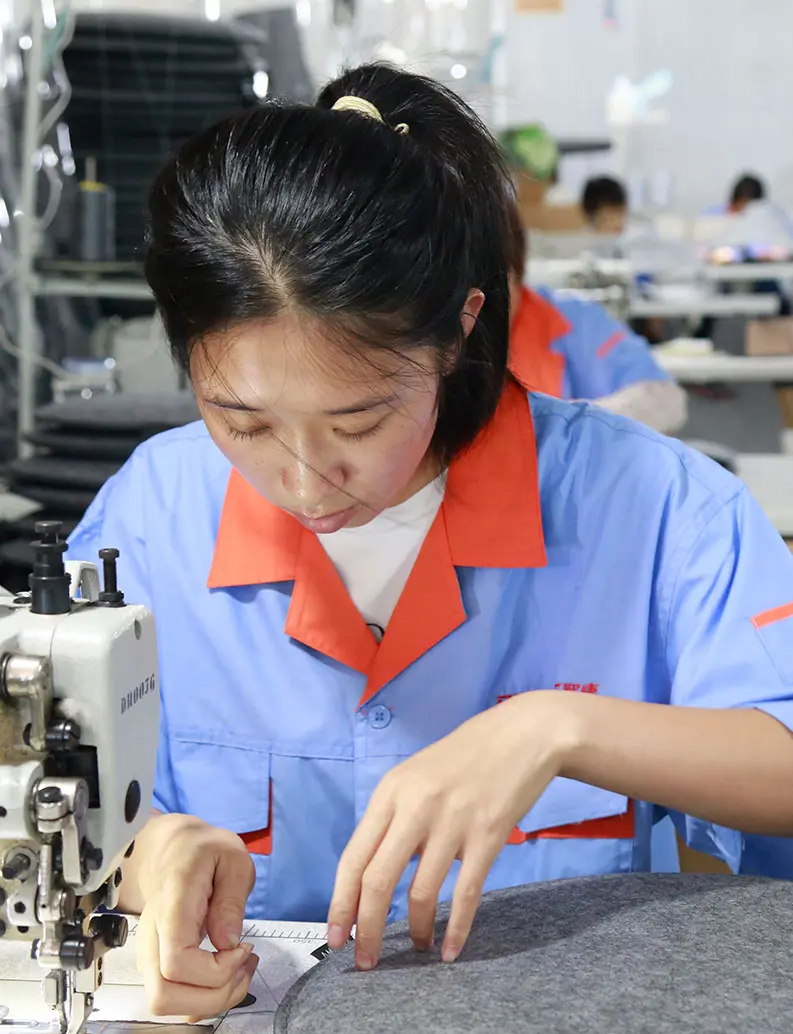
Our team of experts is dedicated to staying at the forefront of storage product innovations.
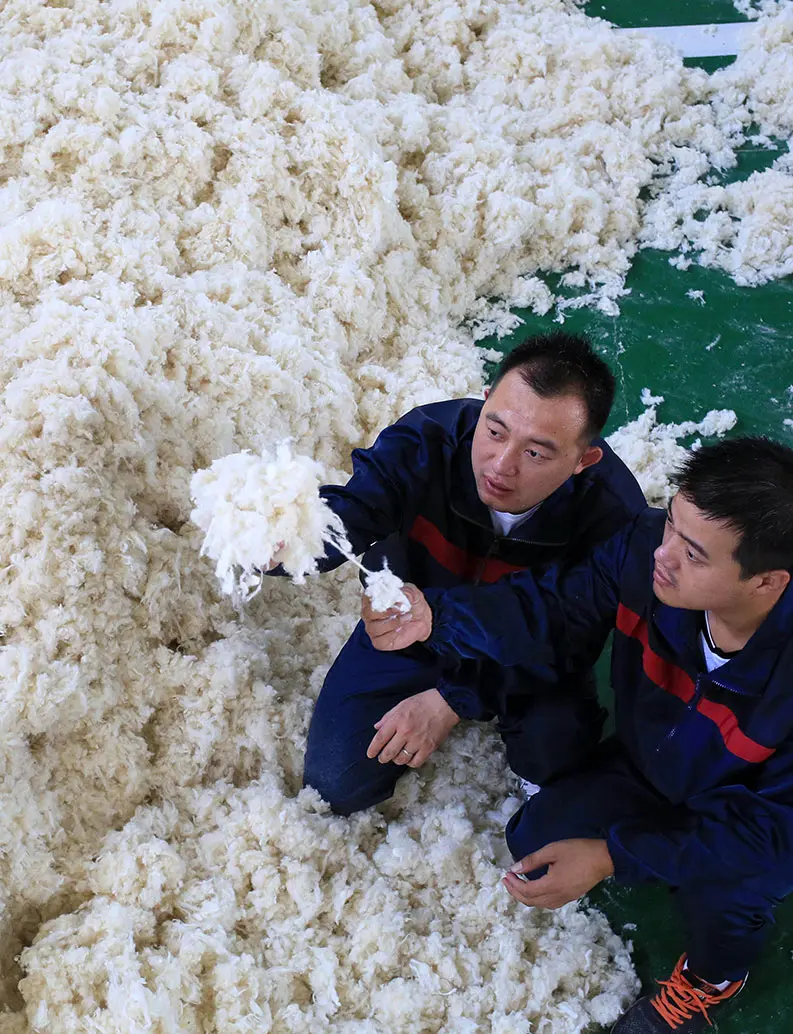
We value our customers and strive to provide exceptional service tailored to their needs.
Our dedicated team of professionals is the driving force behind our success. With a collective passion for Home, they bring a wealth of knowledge and expertise to every project.
Our team members hail from diverse backgrounds and possess a wide range of skills, allowing us to approach projects from various angles and find innovative solutions. We pride ourselves on our collaborative spirit, working seamlessly together to achieve our common goal of creating exceptional homes for our clients. Each team member is committed to staying up-to-date with the latest trends, technologies, and best practices in the industry, ensuring that our projects are not only aesthetically pleasing but also functionally efficient and built to last.
We believe in continuous learning and professional development, which empowers us to deliver outstanding results, exceeding the expectations of our clients every time. Our strong work ethic, attention to detail, and unwavering dedication to excellence set us apart in the field of home design and construction. With a customer-centric approach, we prioritize open communication and transparency, ensuring that our clients are involved every step of the way. We take immense pride in the relationships we build with our clients, based on trust, respect, and a shared passion for creating beautiful, functional living spaces. Together, we are not just a team; we are a family united by our love for turning houses into homes.
Expert answers regarding structural requirements, budgeting, cost-saving tactics, and installation dynamics.
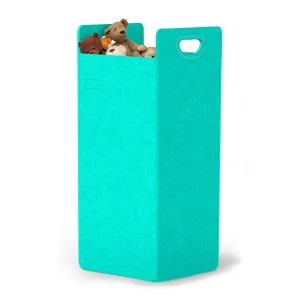
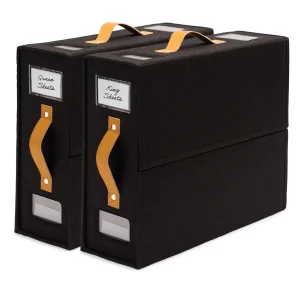
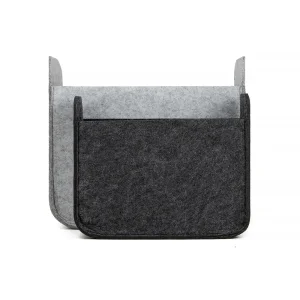
Premium storage boxes, linen sheet organizers, and custom felt solutions direct from the factory.
 Ulike Felt