 Ulike Felt
Whitepaper: Engineering Thermal Barrier Solutions in Modern Wellness Architecture
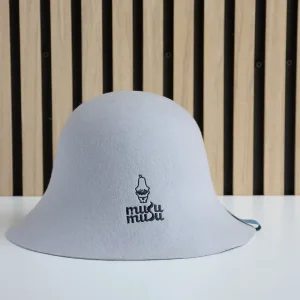
In high-temperature bathhouses, Russian banyas, and Finnish saunas, thermal regulation is paramount. Research indicates that head protection in environments exceeding 80°C (176°F) is not merely a styling preference; it is a critical safety measure. Custom sauna hats engineered with specific needle-punched wool felt matrices or bespoke crochet patterns provide a boundary layer of insulation that prevents the cranial core from overheating. This whitepaper analyzes the mechanical, structural, and procurement variables governing high-density sauna headgear, detailing crochet design structures, fiber specifications, and production-scale metrics from China's leading felt manufacturing facilities.
Underlying Principle: Wool fiber possesses a low thermal conductivity rating (approx. 0.04 W/mK) paired with a high hygroscopic index, allowing it to absorb up to 30% of its dry weight in water vapor without feeling damp. This creates a natural cooling microclimate surrounding the head during sauna sessions.
Section 1: The Anatomy & Materials of Sauna Hat Crochet Patterns
Crocheting a high-performance sauna hat requires an understanding of stitch geometry, fiber density, and material selection. Standard acrylic or low-grade polyester yarns fail under extreme temperatures, melting or releasing volatile organic compounds (VOCs). Therefore, B2B procurement managers must specify the exact fiber requirements when ordering custom patterns. The main classifications include:
- Pure Merino Wool (RWS Certified): Offers the finest micron diameter (typically 18.5 to 21.5 microns), rendering the ultimate comfort on the skin and superior thermal resistance.
- Wool-Cotton Blends (60% / 40%): Balanced weight and durability. While cotton reduces overall heat insulation slightly, it increases mechanical strength and washability.
- Thick Coarse Sheep Wool: Traditional rustic texture, providing high structural thickness. Highly favored in Northern and Eastern European markets (Banya culture).
The pattern structural profile depends heavily on stitch tightness. For example, a Double Crochet (dc) stitch creates a looser, more breathable mesh suitable for dry, low-humidity saunas. Conversely, a dense Single Crochet (sc) or Half Double Crochet (hdc) pattern locks in pocket air, establishing a thick thermal shield vital for wet saunas where steam gusts (Löyly) present immediate scald hazards.
Comparative Thermal Resistance by Material Mix
Measured by insulation efficiency under 90°C dry heat exposure (R-Value equivalent index).
Technical Analysis: Non-woven felt structures outperform crocheted networks because of the irregular distribution of locked air cells. However, customized crochet patterns provide superior aesthetics, stretch resilience, and a handmade luxury feel, which command premium retail pricing at high-end resorts and spa boutiques.
Section 2: The B2B Supply Chain & Manufacturing Advantage in China
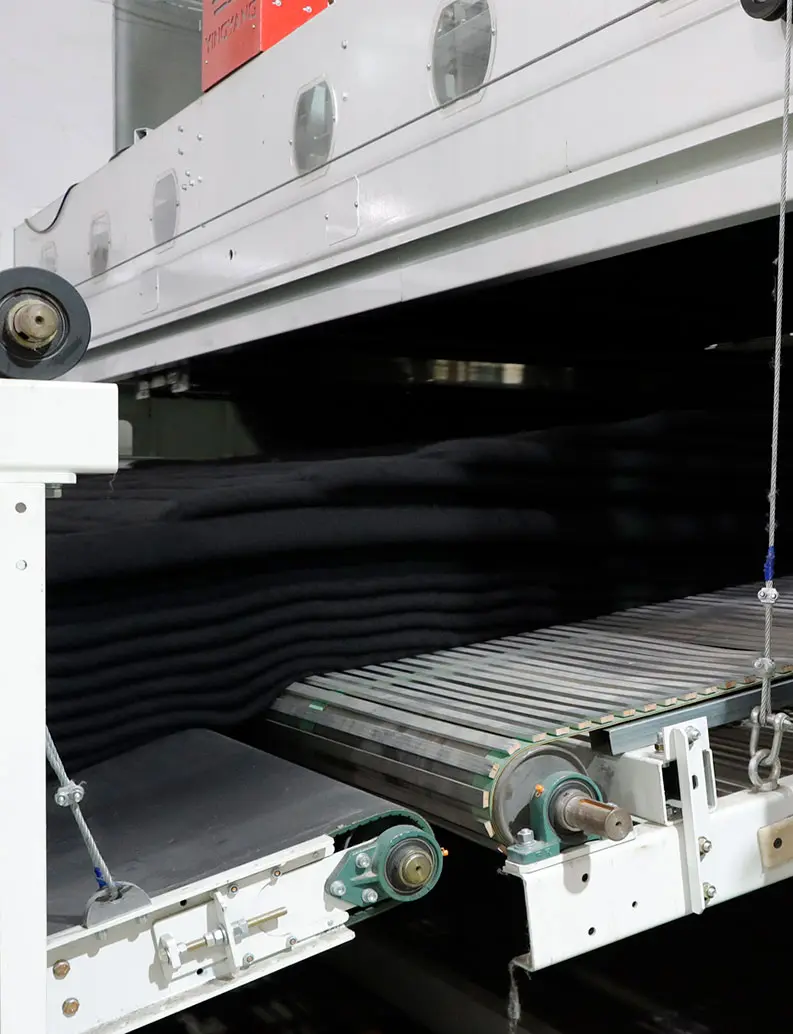
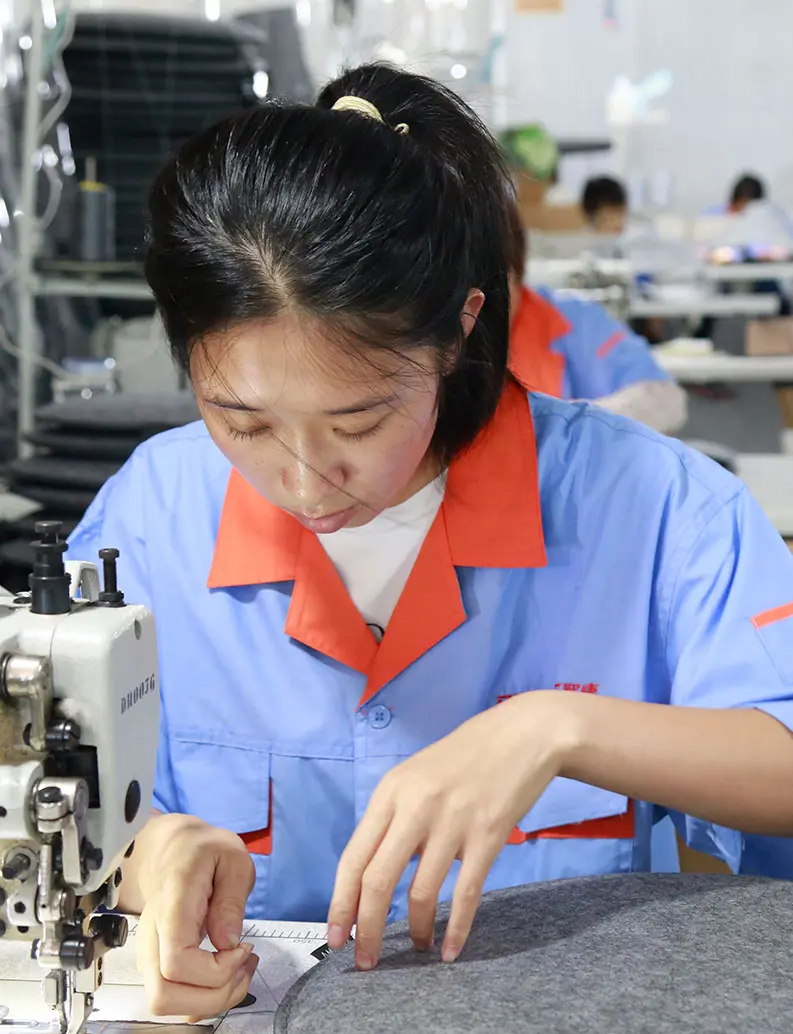
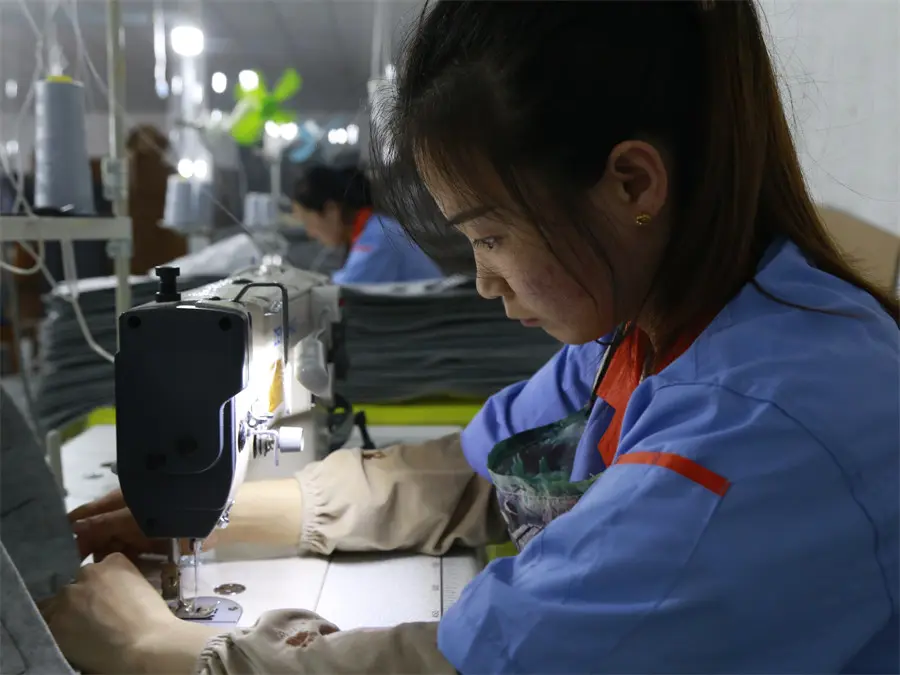
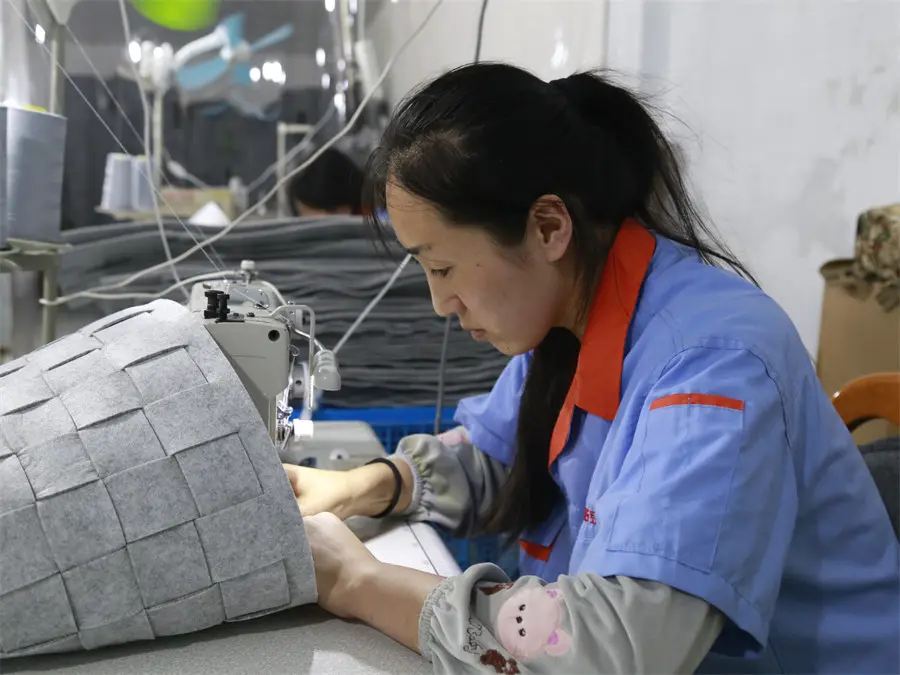
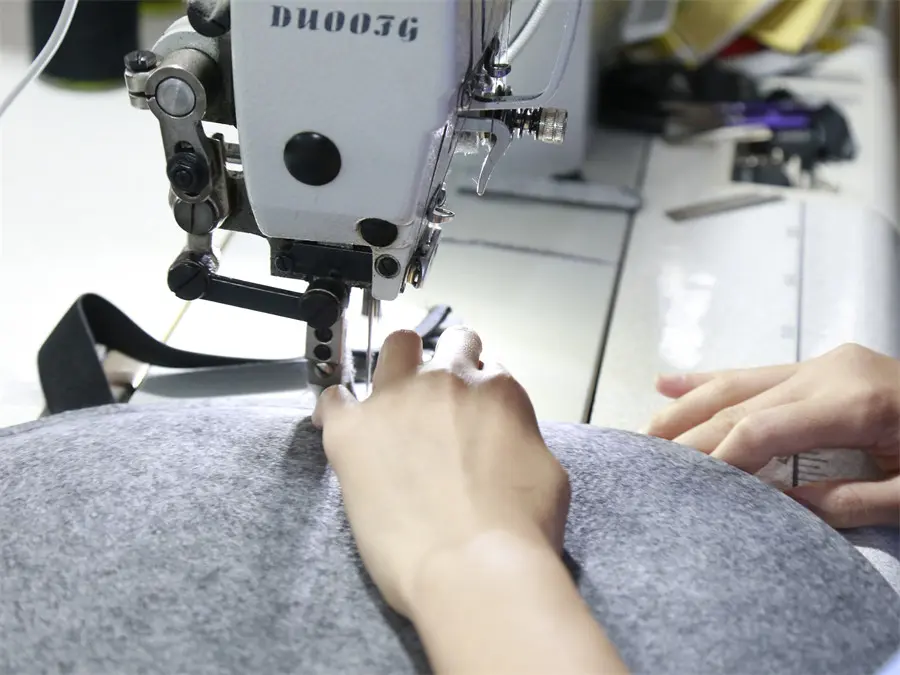
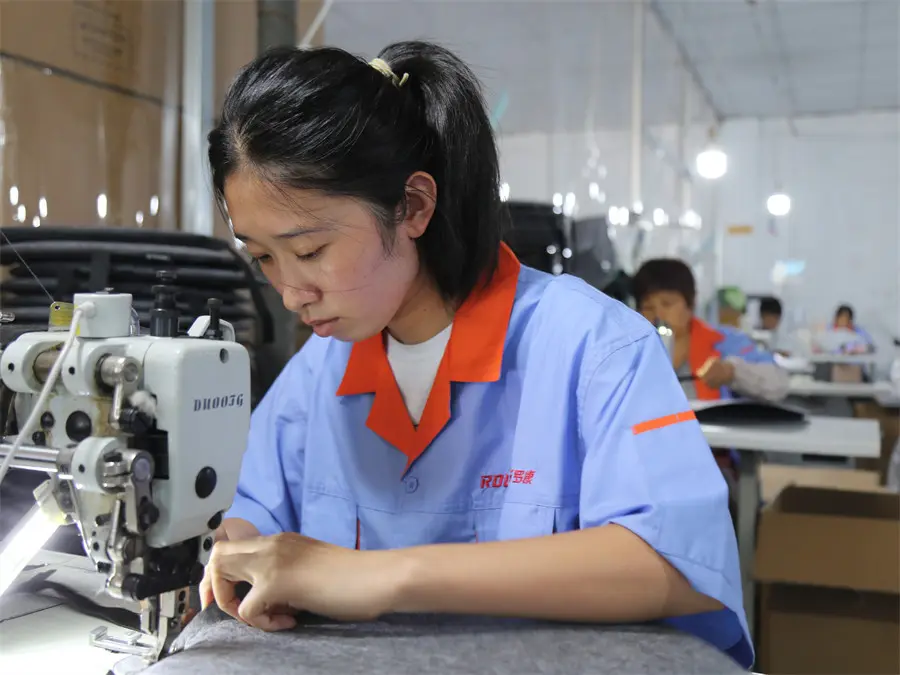
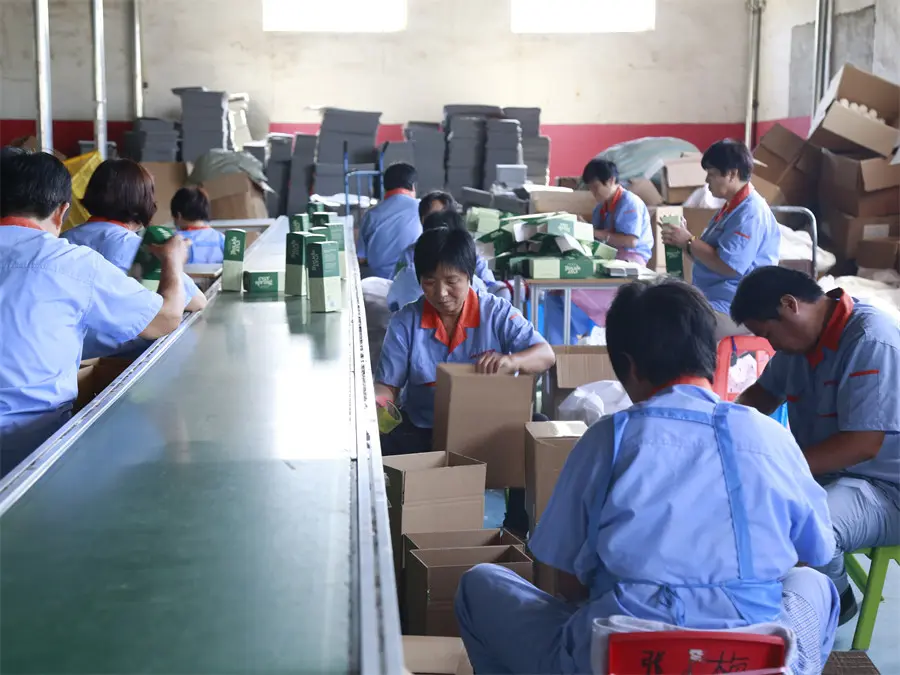
Procuring sauna hats at scale demands reliable manufacturing timelines, consistent quality control, and certified ecological standards. By leveraging vertical supply networks in China, brands can achieve substantial cost efficiencies without compromising E-E-A-T benchmarks. Chinese factories utilize automated CAD laser cutters alongside manual crochet workshops to balance mass production and bespoke detailing.
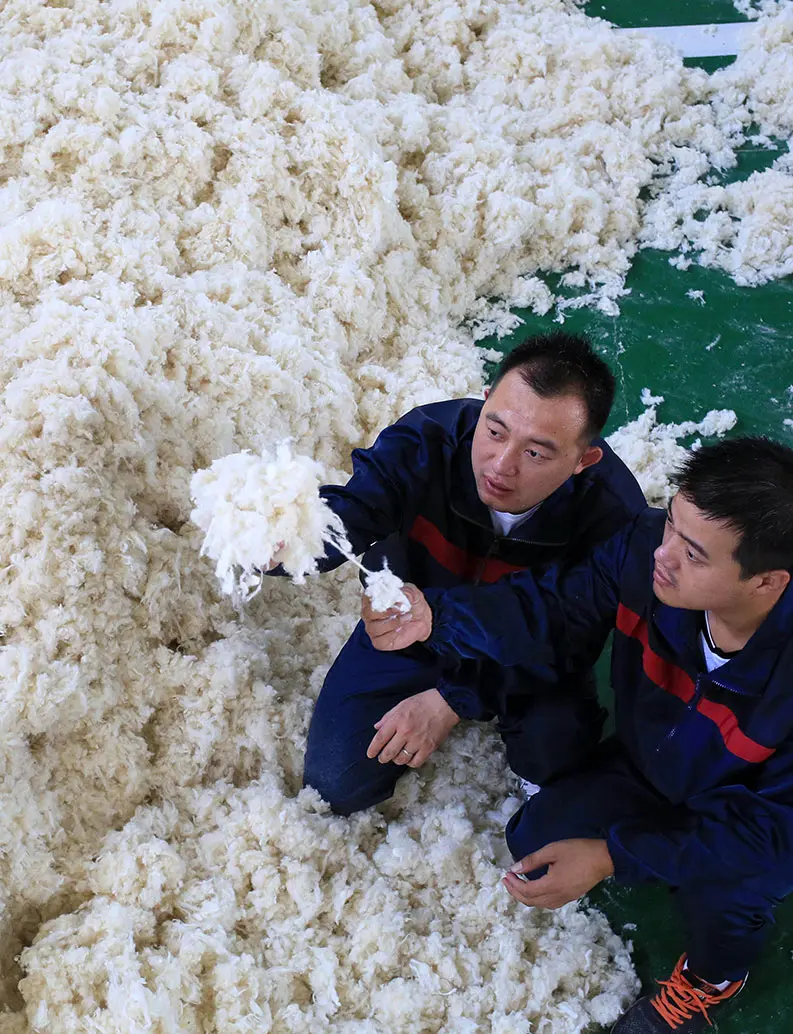
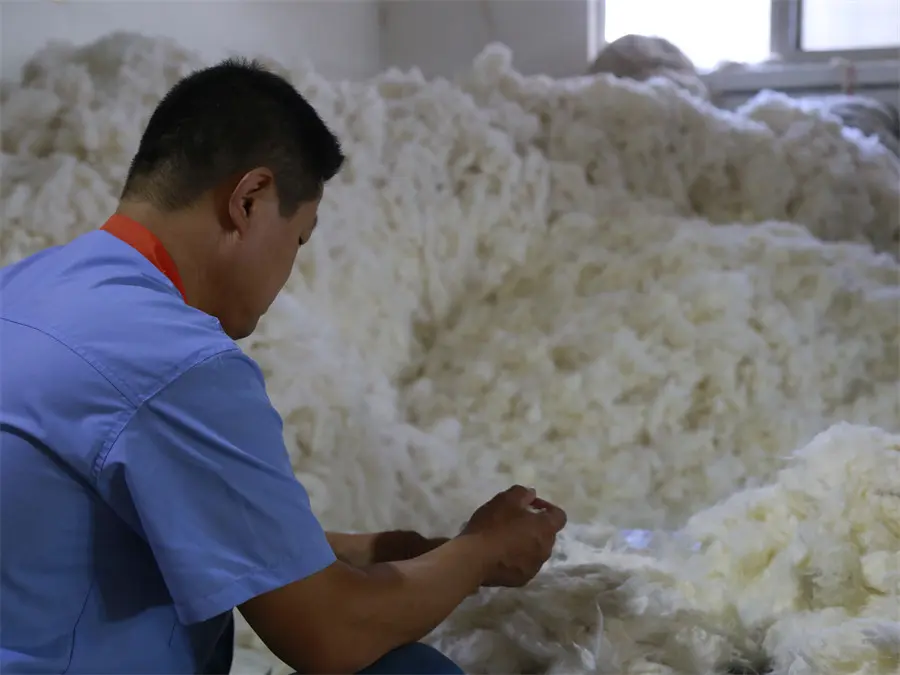
Key supply advantages include raw material security (direct sourcing of wool under the Responsible Wool Standard), optimized dyeing processes using eco-friendly pigment dispersions, and structural QA testing. With multiple integrated processing lanes, a Chinese facility can shift seamlessly between thick needle-punched felt production and hand-finished crochet patterns, supplying global distributors with tailored, branded merchandise ready for point-of-sale display.
Manufacturing Parameters & Customization Options
| Parameter | Standard Specifications | Premium Options | B2B Customization Capabilities |
|---|---|---|---|
| Material Composition | 100% Wool Felt / 100% Polyester | Pure Merino Wool Yarn / Organic Linen | Custom blends (Wool/Cotton, Wool/Synthetic) |
| Density / Weight | 400 GSM - 600 GSM | 700 GSM - 900 GSM | Calculated thermal layer configuration |
| Branding Application | Silk Screen Printing / Flat Embroidery | 3D Puff Embroidery / Embossed Leather Patch | Pantone-matched woven label stitching |
| Regulatory Standards | REACH Compliant, AZO-Free Dyeing | OEKO-TEX Standard 100, RWS, BSCI | CE Mark and custom region-specific certifications |
| Minimum Order Quantity | 500 Units / Style | 200 Units / Premium Crochet Colorway | Tiered pricing structures based on volume scales |
Section 3: Global Procurement Dynamics, Quotes & Pricelist Structure
Navigating quotes for custom sauna hats requires analyzing the cost drivers of production. The overall unit cost consists of yarn weight, stitch complexity (hours required for manual crochet designs), packaging, and logistics. Below is an indicative pricing matrix for global enterprise buyers organizing quarterly or annual contracts.
Purchasers should note that customized crochet designs are labor-intensive. When seeking a quote, provide details about the target dimensions (height, circumference), desired logo technique, and packaging (individual biodegradable polybags or retail display boxes). Bulk orders over 5,000 units are usually eligible for sea freight optimization, reducing unit distribution costs by up to 25%.
Section 4: Localized Scenarios & Regional Compliance
The requirements for custom sauna hats vary globally due to regional differences in bath cultures and consumer expectations:
- DACH Region (Germany, Austria, Switzerland): Demands high-quality natural materials. Emphasis on strict environmental compliance (RWS, OEKO-TEX). Products must withstand frequent high-temperature cleaning cycles.
- Eastern Europe & Baltic States: Preference for high density and thick felt layers to handle traditional dry-heat banyas. Classic rustic styling with integrated hanging loops is a priority.
- North American Market: Focuses on wellness lifestyle branding, custom graphic designs, and comfortable features like adjustable chin straps or dual-layer sweatbands.
To access these markets successfully, all products must comply with regional standards, including REACH regulations for chemical safety in the EU, and state-specific consumer protection acts in the US.