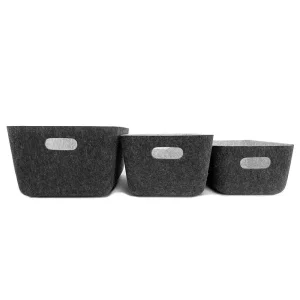
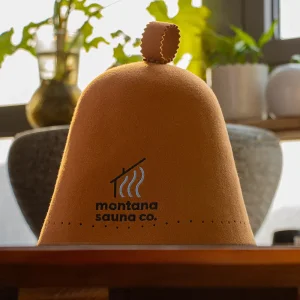
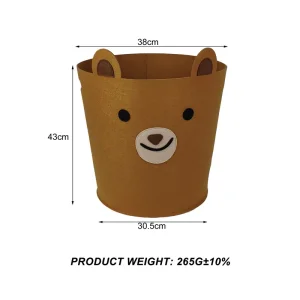
Direct B2B supply of optimized wool felt caps, spa accessories, and versatile storage baskets from certified manufacturing facilities.
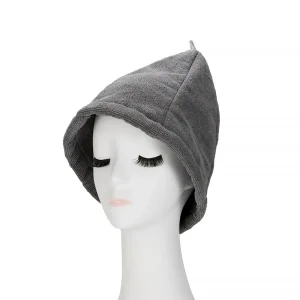
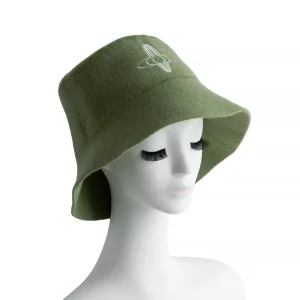
A comprehensive analysis of felt density degradation, chemical stressors, and global raw material sourcing strategies for commercial and residential spa infrastructure.
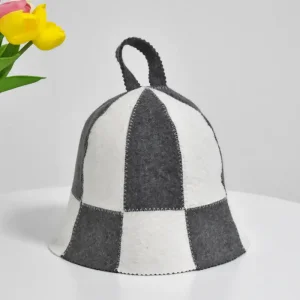
In high-temperature environments, specifically traditional Finnish dry saunas (ranging from 70°C to 100°C) and Russian Banyas, the human head experiences rapid thermal loading. The cranium is highly sensitive to extreme heat; cellular protein structures can undergo stress if subjected to direct radiant and convective temperatures above biological tolerances. This is where sauna hats serve a critical physiological function. By trapping a barrier of non-conductive air around the scalp and hair follicles, the hat prevents localized hyperthermia and reduces the risk of thermal shock.
The core commercial query for global spa groups, distributors, and sourcing managers is: "How long do sauna hats last?" Under industrial and frequent use, the lifespan of a sauna hat depends strictly on fiber composition, manufacturing methods (non-woven needle punching vs. wet felting), ambient humidity, and post-sauna maintenance protocols. A premium-grade sauna hat constructed from 100% natural sheep wool or high-density merino felt can endure for 2 to 5 years of regular residential use, while lower-cost options or poorly maintained fibers may show severe structural degradation in under 6 months.
To accurately understand product life expectancies, we must examine the physical properties of the materials commonly utilized in B2B production lines:
| Material Type | Thermal Conductivity (W/m·K) | Expected Lifespan (Residential) | Expected Lifespan (Commercial Spa) | Degradation Indicators |
|---|---|---|---|---|
| 100% Raw Wool Felt | ~0.035 - 0.040 | 3 to 5 Years | 12 to 18 Months | Thinning crown, pilling, stiffness from sweat salt accumulation |
| Premium Merino Wool Felt | ~0.030 - 0.035 | 4 to 6 Years | 18 to 24 Months | Fiber elasticity loss, gradual shrinkage if washed incorrectly |
| Cotton Terry Toweling | ~0.055 - 0.060 | 1.5 to 2.5 Years | 6 to 9 Months | Fraying loops, threadbare patches, loss of structure |
| Synthetic Felt (PET) | ~0.045 - 0.052 | 1 to 2 Years | 4 to 6 Months | Fiber melting signs, odor retention, complete loss of loft |
In both commercial resort operations and private home saunas, several specific environmental variables act on the chemical composition of the felt fibers to degrade the hat's structure:
For wholesale buyers, procurement managers, and sauna accessory brands, minimizing overhead while maintaining premium quality is a primary goal. The global B2B sourcing market for sauna hats focuses on custom-branded solutions (embellished through laser engraving, screen printing, or high-density embroidery) sourced from certified factories. Partnering with factories that control their own felt supply chains helps mitigate fluctuating raw fiber prices.
Purchasing directly from large-scale manufacturers in China allows buyers to access significant volume discounts. However, when evaluating low-cost suppliers, verifying international environmental and social compliance is vital. Standards such as the Business Social Compliance Initiative (BSCI) and the Responsible Wool Standard (RWS) ensure that the sheep are treated humanely, the factory workers operate in safe environments, and no hazardous chemical dyes are used during fiber preparation. Ulike's manufacturing processes meet these standards, providing reliable sourcing for international brands.
Different jurisdictions impose distinct safety and hygiene mandates on commercial spa operators. In the European Union, textiles must comply with REACH regulations regarding chemical substances. In North America, the Consumer Product Safety Improvement Act (CPSIA) dictates strict flammability and lead-free criteria for all accessories used within public-facing facilities. Working with a supplier that maintains ISO9001 quality management audit certification ensures every production batch conforms to standard fiber thicknesses, keeping commercial operations safe and legally compliant.
Equipped with 9 high-output production lines, delivering certified eco-friendly felt and acoustic products globally.
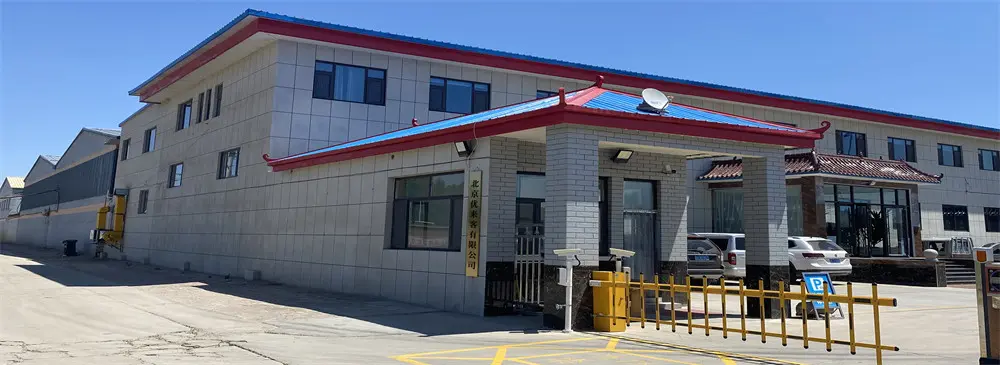
Ulike is one of the largest manufacturers of felt products, specializing in raw felt materials, acoustic panels, wool dryer balls, felt baskets, laundry hampers, and custom thermal headwear. All orders from Rolking are eco-friendly, backed by certifications such as BSCI, ISO9001, and RWS (Responsible Wool Standard) international management system audits.
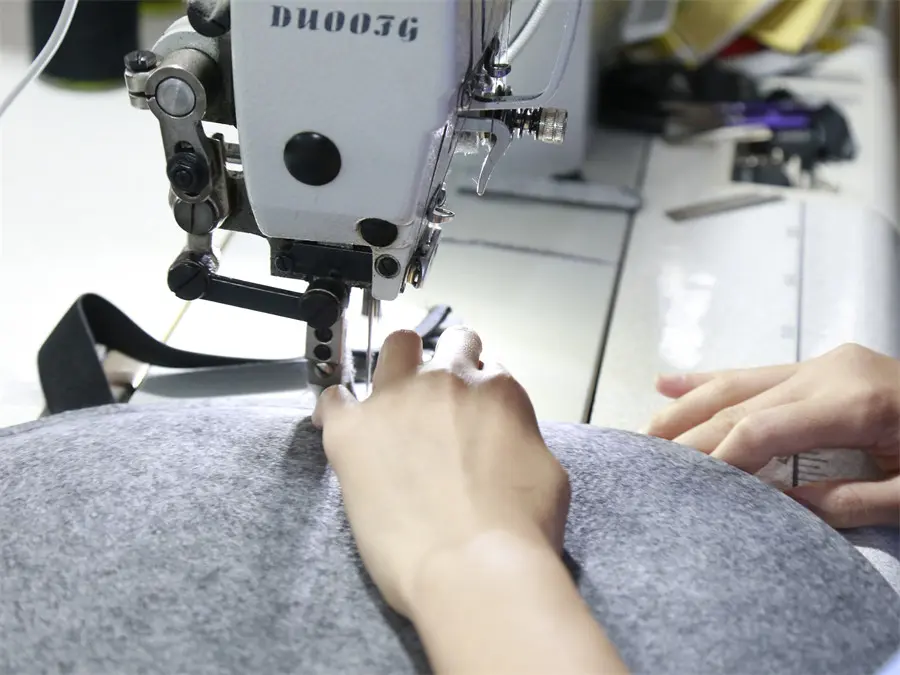
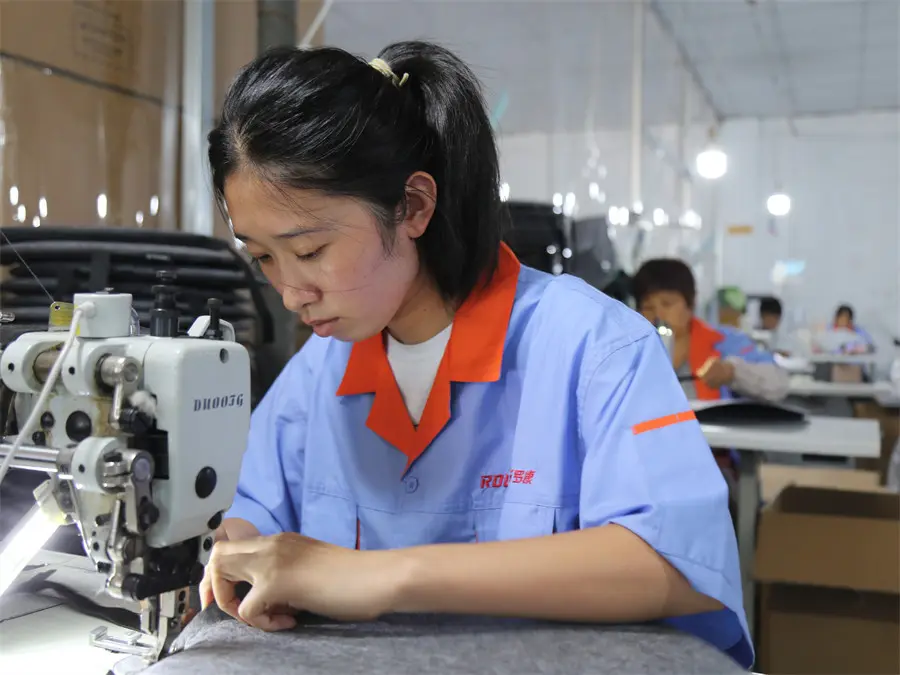
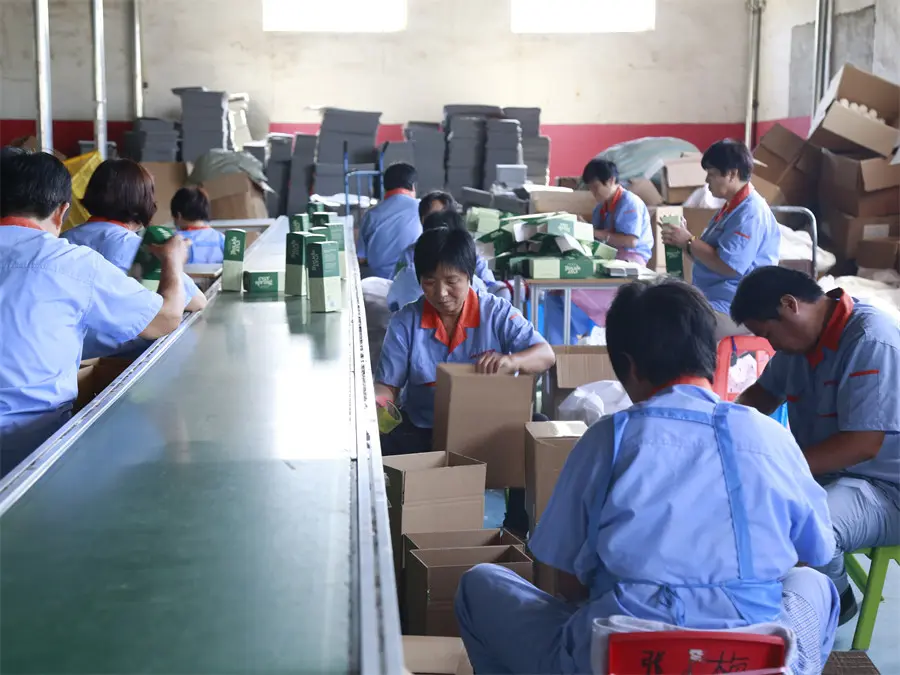
Equipped with 9 modern production lines and over 80 skilled workers—most of whom possess more than 10 years of specialized experience in felt cutting, wet felting, and needle-punch technologies. We guarantee fast lead times and consistent product quality for commercial orders.
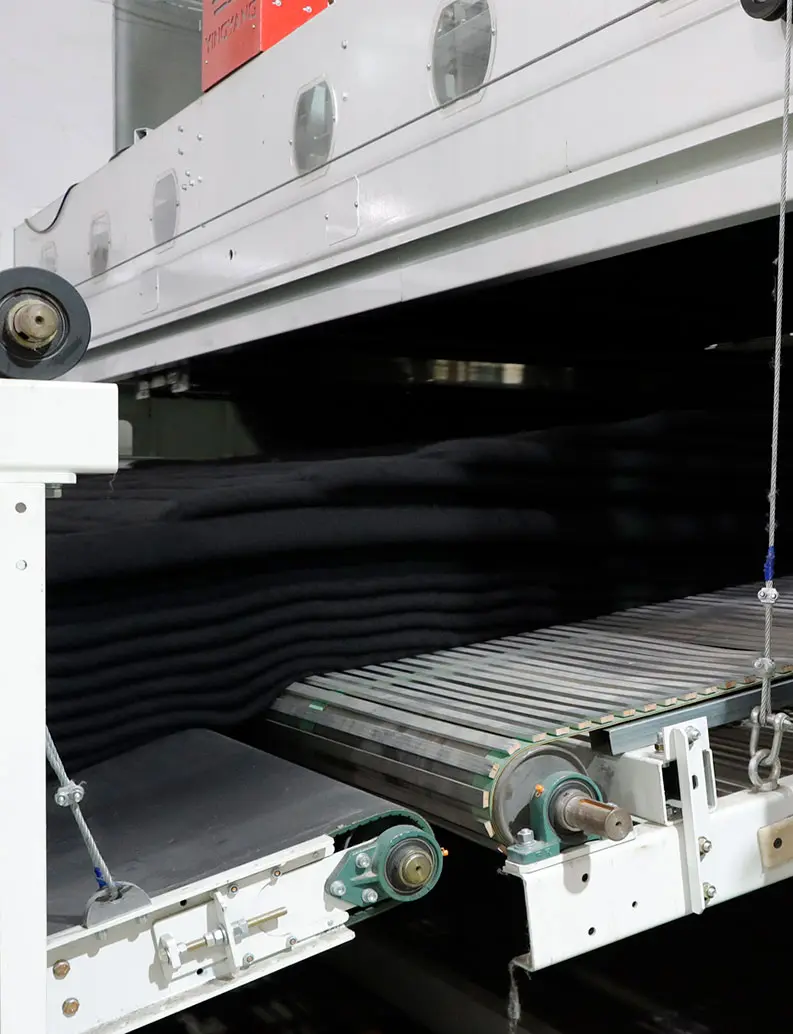
We take pride in delivering top-notch storage and thermal wool products that exceed our customers' expectations in durability and performance.
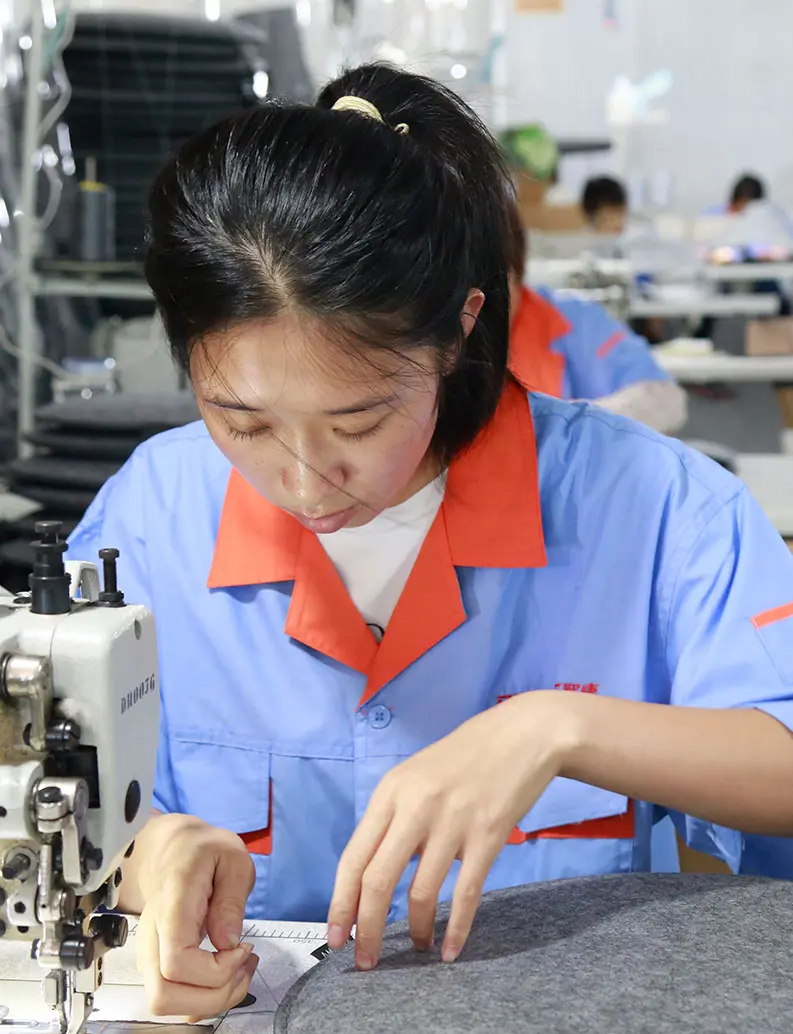
Our team of experts is dedicated to staying at the forefront of storage product innovations, implementing advanced stitching and raw fiber blends.
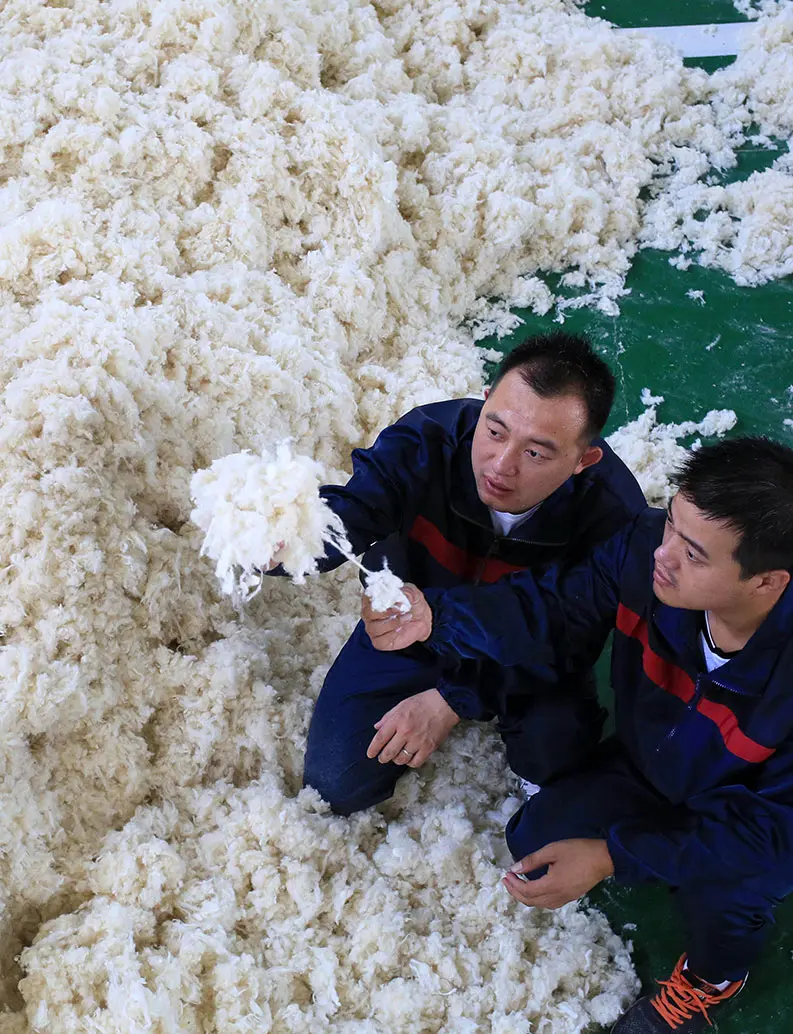
We value our customers and strive to provide exceptional service tailored to their specific market regulations and branding demands.
Meet the dedicated team turning raw fibers into high-performance felt products.
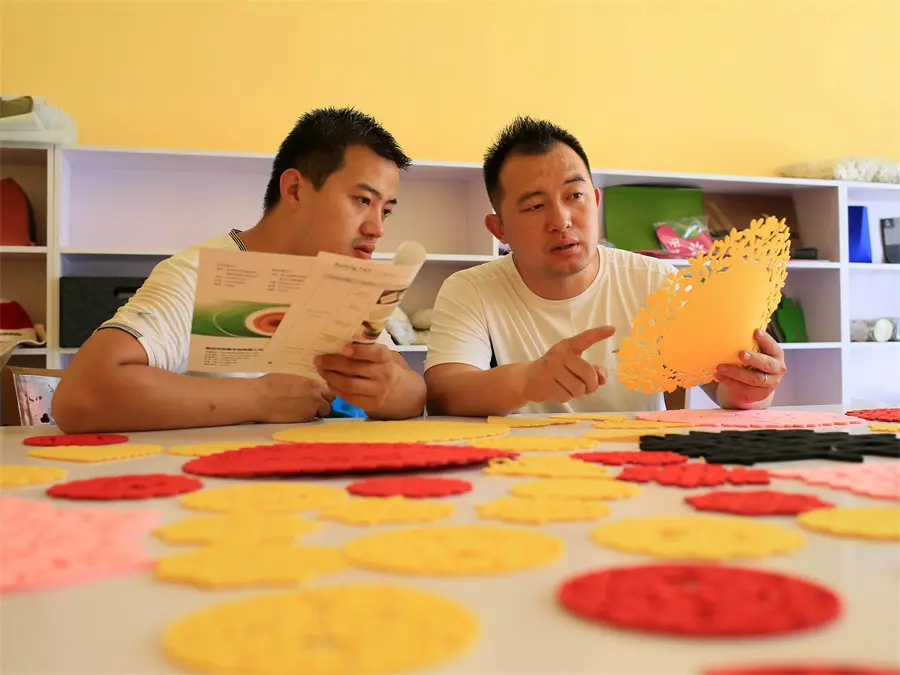
Our dedicated team of professionals is the driving force behind our success. With a collective passion for home design, acoustics, and wool felt engineering, they bring a wealth of knowledge and expertise to every project.
Our team members hail from diverse backgrounds and possess a wide range of skills, allowing us to approach projects from various angles and find innovative solutions. We pride ourselves on our collaborative spirit, working seamlessly together to achieve our common goal of creating exceptional homes and high-performance commercial products for our clients. Each team member is committed to staying up-to-date with the latest trends, technologies, and best practices in the industry, ensuring that our projects are not only aesthetically pleasing but also functionally efficient and built to last.
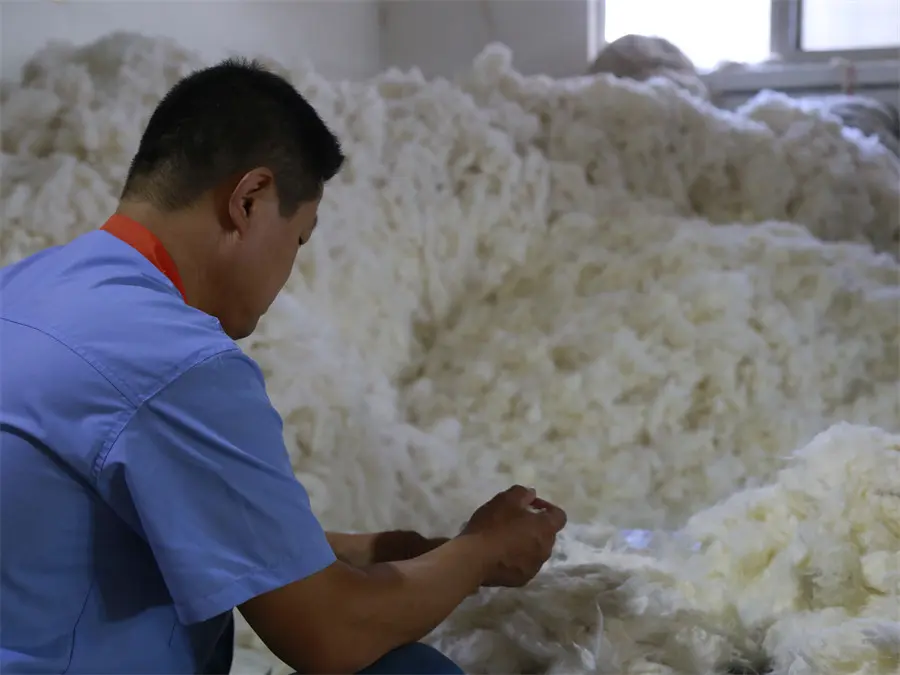
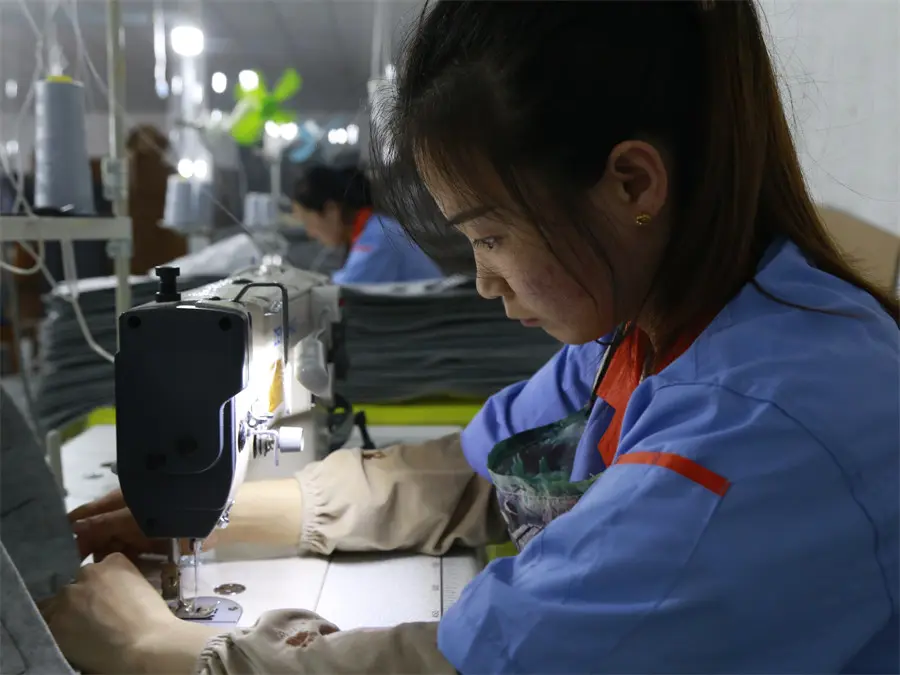
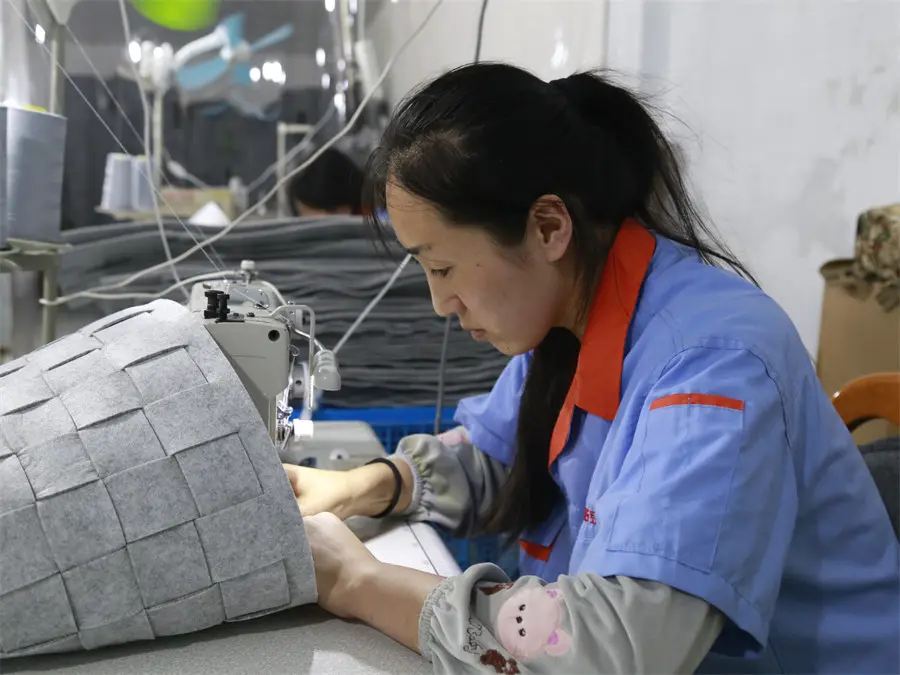
A strategic vision of high-efficiency insulation, composite organic fibers, and smart thermal sensors.
Developing molecular-level hydrophobic silica treatments for wool fibers. This prevents sweat absorption without compromising the breathability and heat insulation properties of natural wool felt, extending the product's lifespan by up to 40%.
Transitioning toward a circular economy model using 50% post-consumer recycled wool felt fibers, certified by the Global Recycled Standard (GRS), to reduce environmental footprints while maintaining thermal performance.
Weaving natural silver ions or zinc oxide compounds directly into the felt matrix. This provides continuous antimicrobial action, preventing mold, odor buildup, and fiber degradation caused by sweat and high humidity.
Get professional answers regarding raw materials, thermal insulation efficiency, and wholesale order processing.
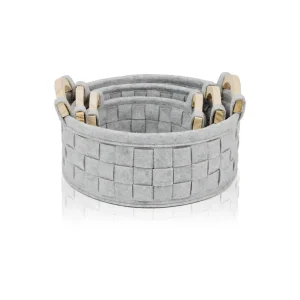
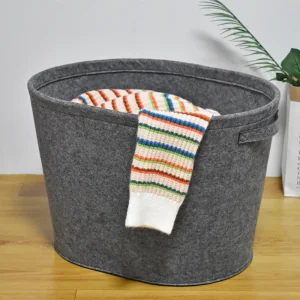
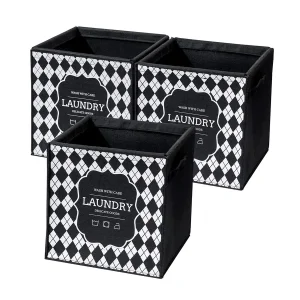
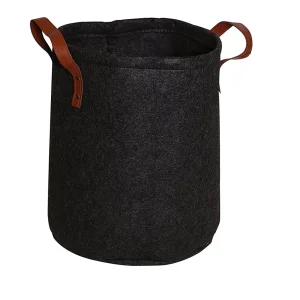
Premium collapsible organizers, laundry hampers, and soft wool felt storage accessories manufactured to high standards.
 Ulike Felt