Direct B2B Wholesaler Inventory & Custom Manufacturing Systems
How Modern Density Architecture is Transforming Structural Void Volume into Value-Driven Spaces
In global metropolitan architecture, space optimization is no longer a luxury—it is an economic imperative. Modern residential layouts in key cities such as New York, London, Tokyo, and Munich face soaring costs per square meter. As a result, the dead volume historically associated with staircase structures has become a focal point for high-performance architectural design. Underneath staircase designs have evolved from simple utility closets into complex, integrated spatial installations incorporating modular millwork, pull-out utility grids, home automation hubs, and dedicated micro-workspaces.
B2B project buyers, procurement managers, and commercial building contractors are increasingly demanding turnkey, factory-direct components to construct these modular units at scale. Off-site prefabrication of drawers, felt acoustic panels, custom storage compartments, and hardware mechanisms allows real estate developers to slash on-site labor overheads by up to 35% while providing end-buyers with highly sought-after storage efficiency.
Engineering the Structural Interface of Modern Under-Stair Systems
Underneath staircase structures act naturally as acoustic resonators. The hollow chambers amplify footstep impact noise and ambient room frequencies, deteriorating the overall comfort index of home environments. Leading-edge designers now integrate sound-absorbing PET felt panels and modular wool-based organizational containers inside under-stairs systems to capture and dissipate sound waves.
By specifying non-woven, needle-punched polyester felt material for drawer linings, sliding drawer shells, and acoustic wall cladding within the staircase void, developers achieve massive reductions in high and mid-frequency sound transfer. Below are the key physical and architectural benchmarks of our custom storage and acoustic material arrays.
| Performance Indicator | Technical Metric / Specification | Architectural Standard Compliance |
|---|---|---|
| Material Composition | 100% Regenerated Polyethylene Terephthalate (PET) / Merino Wool Blend | Global Recycled Standard (GRS) V4.0 |
| Density & Grammage | 1200g/m² - 2400g/m² (Customizable from 3mm to 12mm thickness) | ASTM D461 Industrial Testing Methods |
| Acoustic NRC Rating | 0.75 - 0.90 NRC (Noise Reduction Coefficient) depending on installation cavity | ASTM C423 / ISO 354 Sound Absorption Standards |
| Fire Retardancy Class | Class B-s1, d0 (Flame retardant treated options available) | EN 13501-1 / ASTM E84 Class A Standard |
| VOC Emission Control | Formaldehyde-free, low-VOC paint and adhesive application compatibility | OEKO-TEX Standard 100 / CertiPUR-US |
Maximizing Return-on-Investment (ROI) through Tiered Wholesale Sourcing
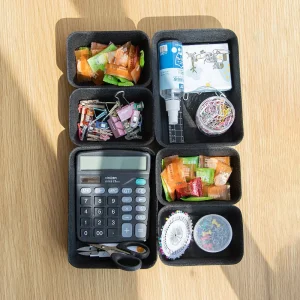
For large-scale contractors, sourcing under-stair organizer components requires a clear breakdown of cost-to-volume parameters. Standard residential millwork is often custom-made, driving costs to exorbitant levels ($1,200 - $3,500 per staircase install). By utilizing standardized felt storage sets, drawer liners, and customizable panels, procurement departments can deploy discount underneath staircase designs at a fraction of the cost.
Our tiered wholesaling structure operates on volume-based price elasticity, giving development projects an unmatched competitive edge. Factory-direct pricing allows volume buyers to achieve up to a 60% gross margin improvement over localized custom wood millwork sourcing.
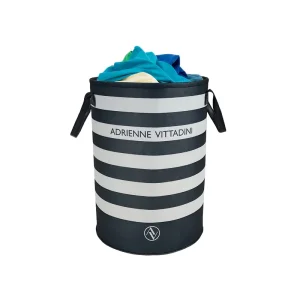
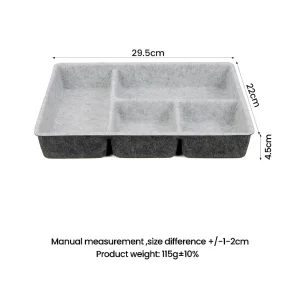
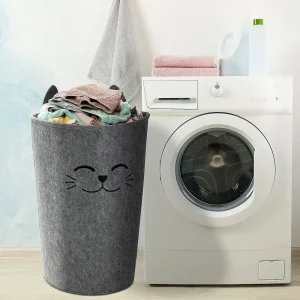
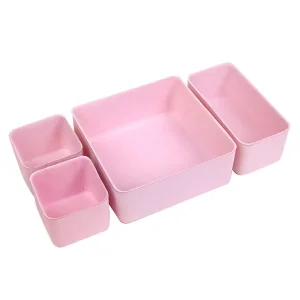
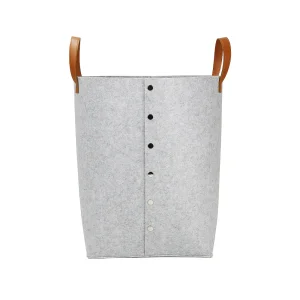
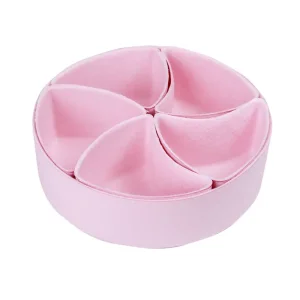
Furthermore, because our felt products are collapsible, freight and logistics costs are minimized. Containers can be shipped at maximum spatial efficiency (collapsing laundry hampers, felt baskets, and drawer dividers), reducing trans-oceanic transit fees by up to 40%.
Get up to 35% lower cost-per-unit metrics on bulk logistics orders exceeding 2,000 units.
We craft unique sizes, embossed brand logos, and specific thicknesses tailored to your system.
BSCI, ISO9001, and RWS certifications ensure smooth compliance at regional borders.
Integrating Advanced German Felt Extrusion Machining and Eco-Conscious Management
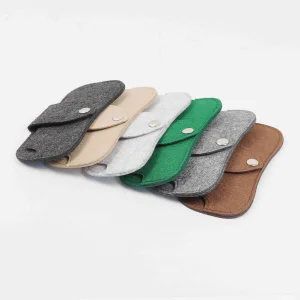
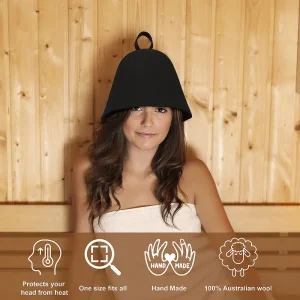
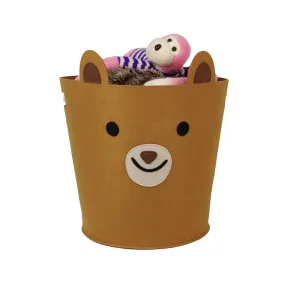
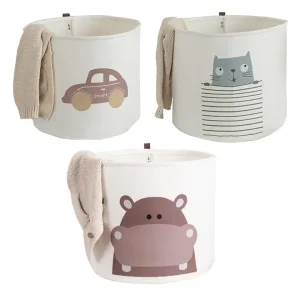
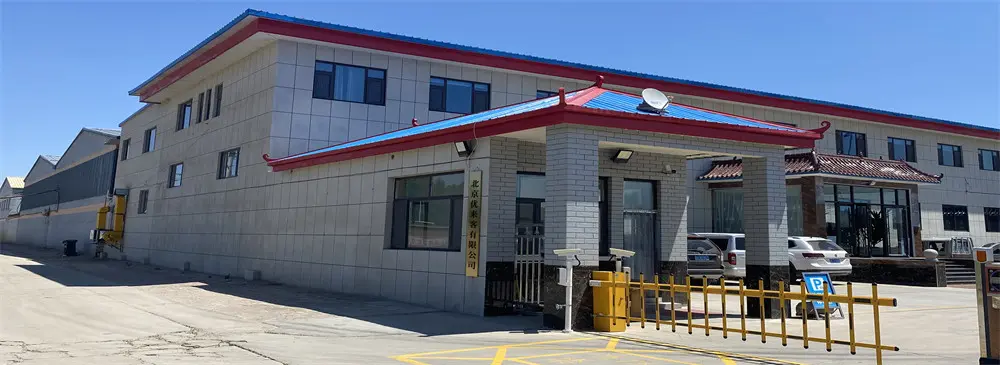
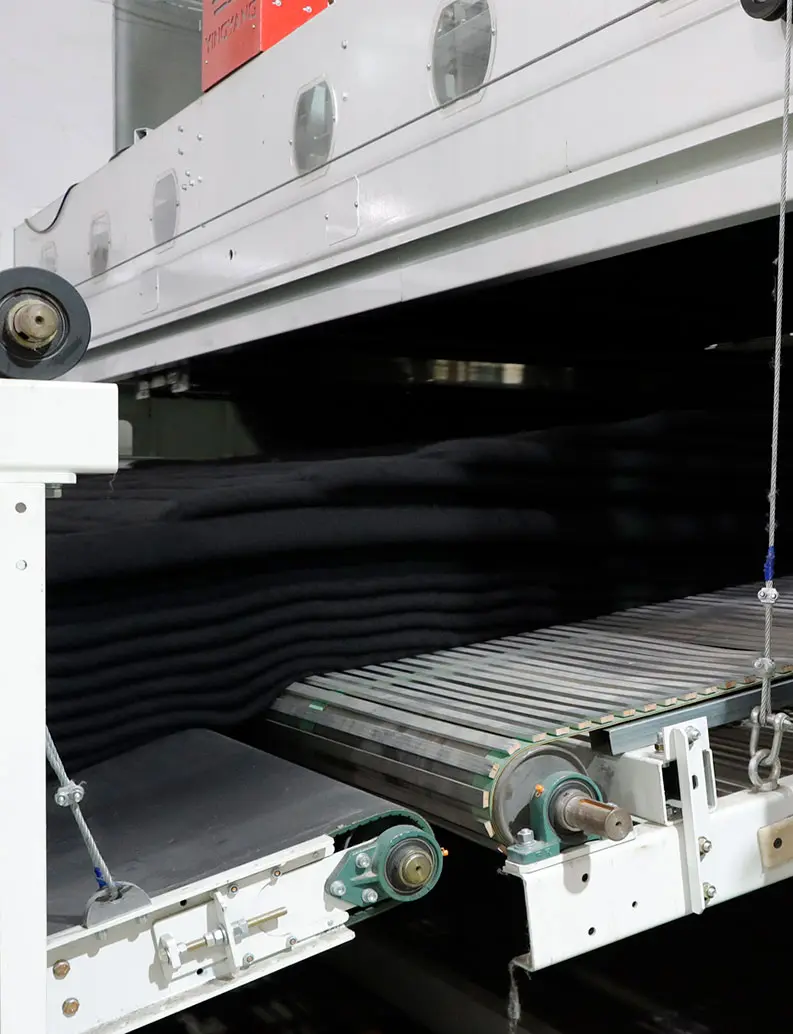
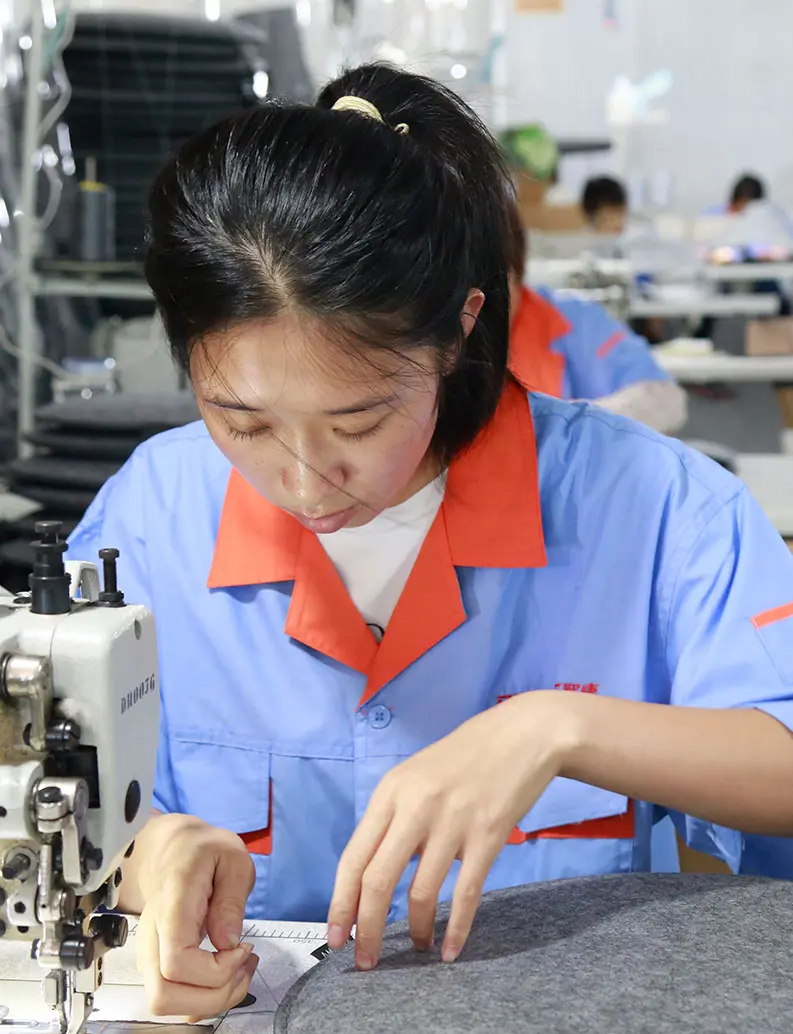
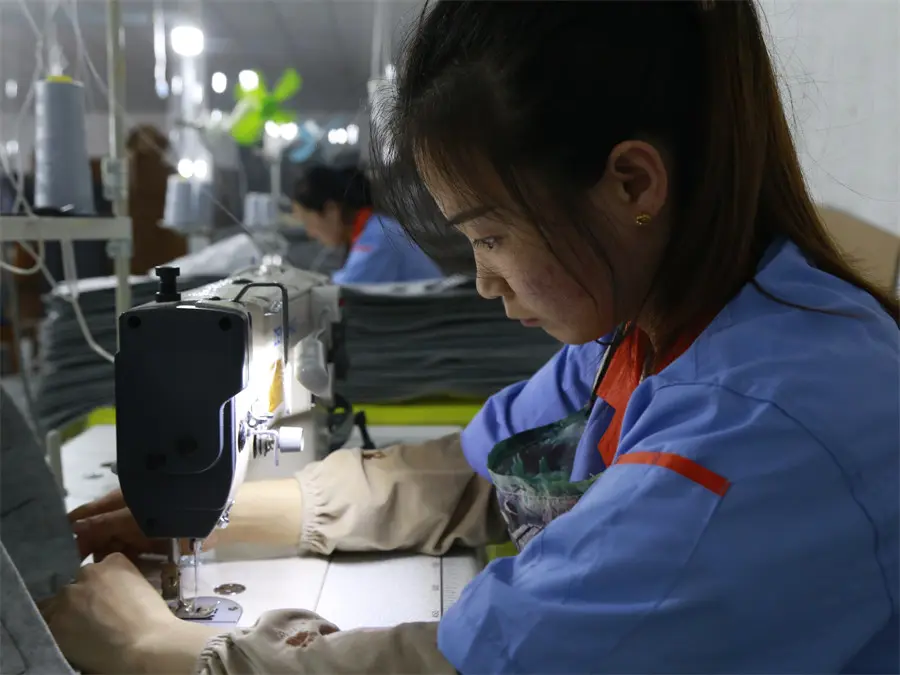
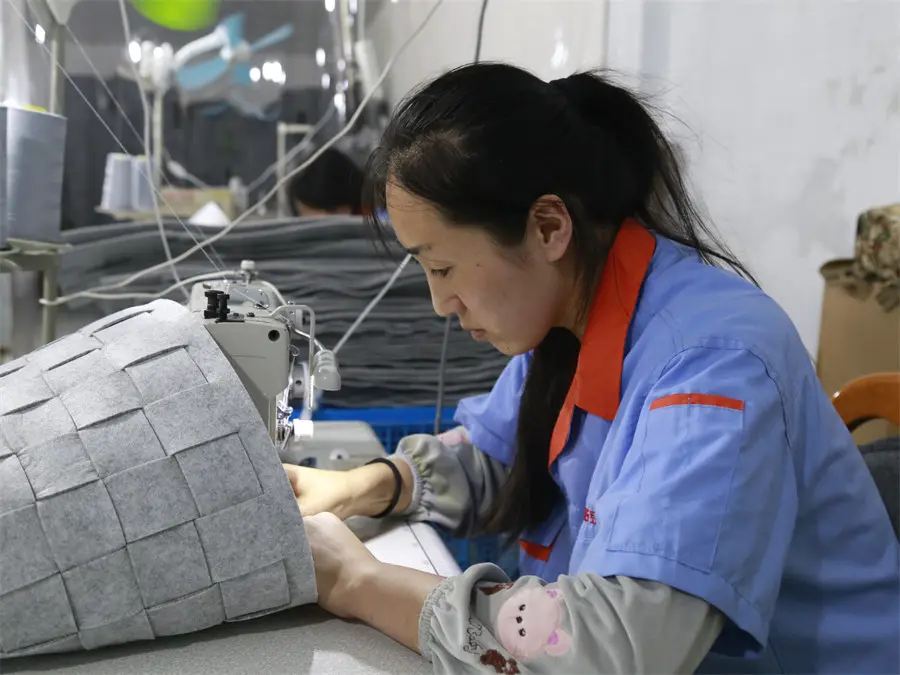
Ulike is one of the largest manufacturers of felt products, specializing in high-grade felt material, acoustic panels, wool dryer balls, felt baskets, felt laundry hampers, and a comprehensive range of custom felt products. Our infrastructure features 9 high-speed needle-punch production lines managed by 80+ highly skilled workers, most of whom possess more than 10 years of specialized manufacturing experience.
Our commitment to eco-friendly production is certified by international audit standards including BSCI, ISO9001, and the Responsible Wool Standard (RWS). This ensures that every order manufactured by Ulike matches the ESG guidelines set by progressive real estate developers globally.
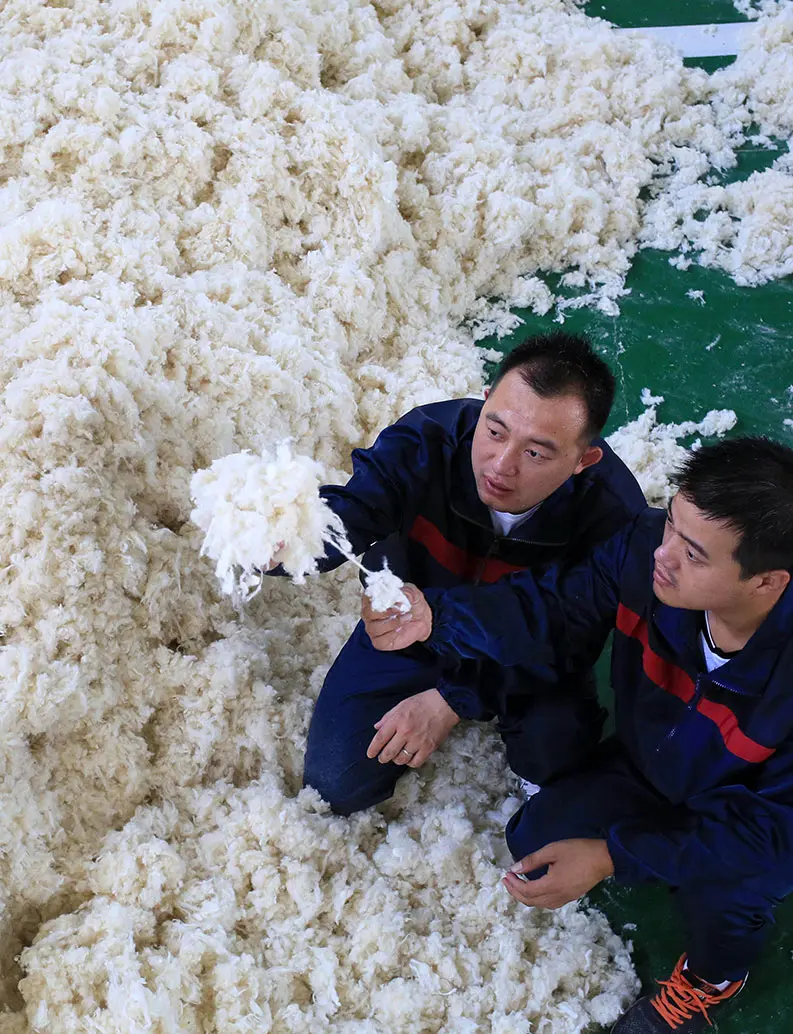
We pride ourselves on providing market-leading fast lead times, backed by strict quality inspection. Every production batch of felt sheets or finished storage baskets undergoes thickness uniformity tests, density verification, tensile strength analysis, and color-fastness inspection. By maintaining full vertical control over raw fiber sourcing, blending, and carding, we eliminate common raw material fluctuations typical of small-scale workshops.
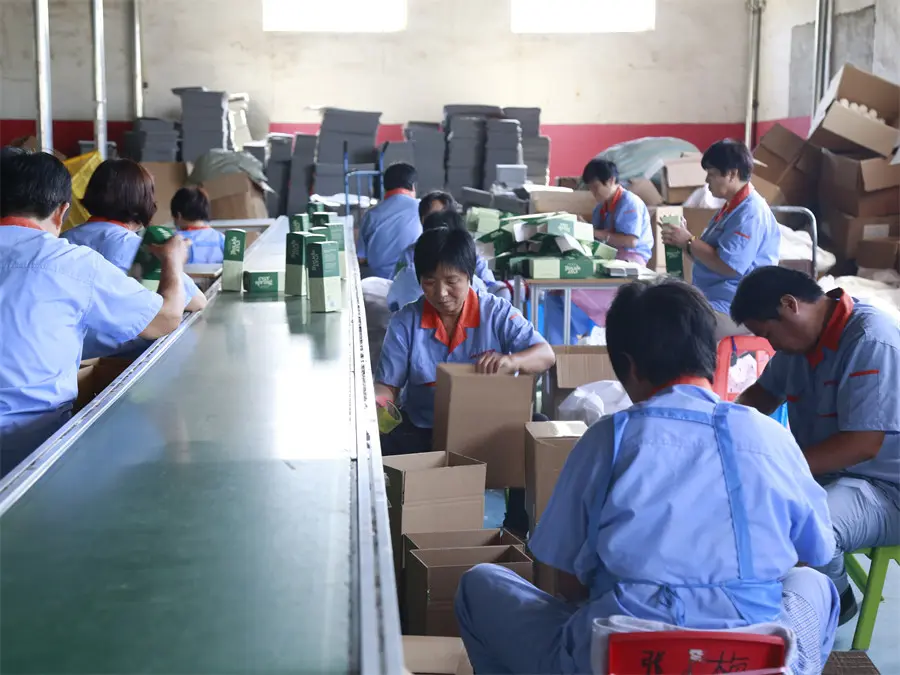
A Multi-Disciplinary Team Turning Raw Materials Into Smart Architectural Solutions
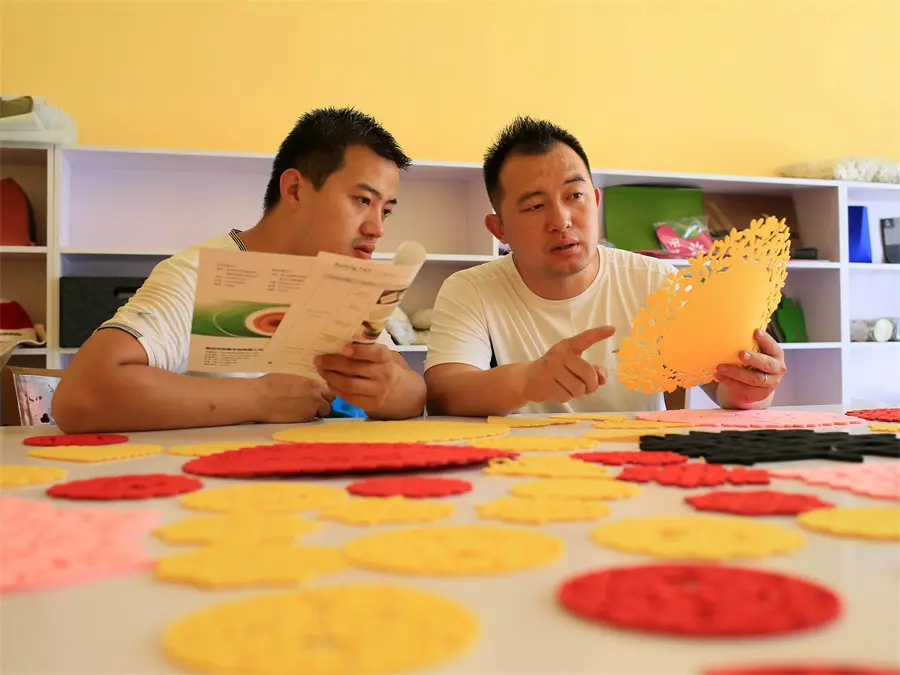
Our dedicated team of professionals is the driving force behind our success. With a collective passion for home design and spatial innovation, they bring a wealth of knowledge and expertise to every custom project. Hailing from diverse backgrounds, our team members possess skills ranging from polymer engineering to interior architectural design, allowing us to find highly innovative, customer-centric solutions for under-stair storage integration.
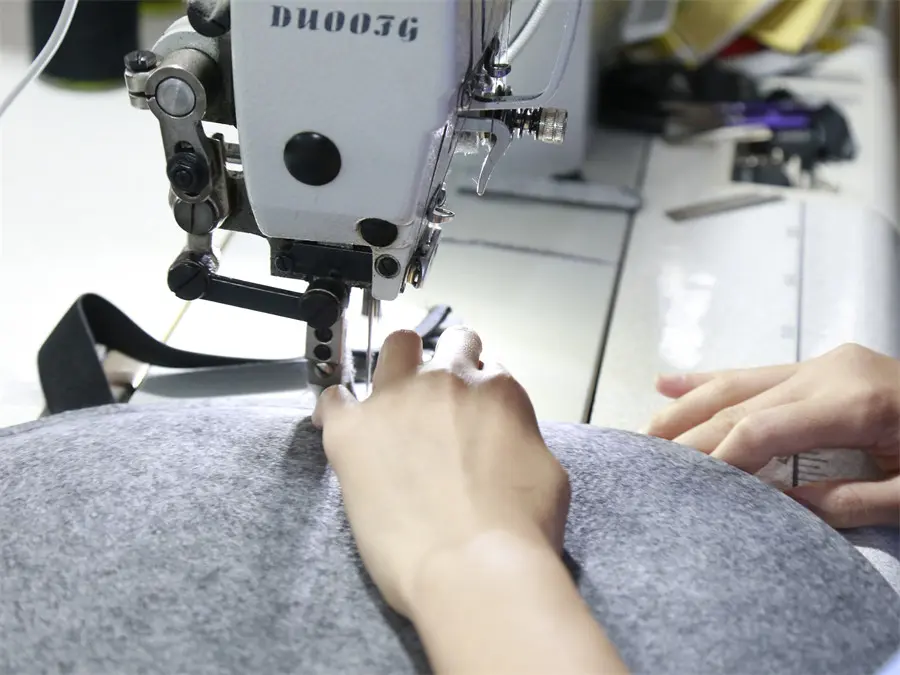
Custom CAD Blueprint Execution
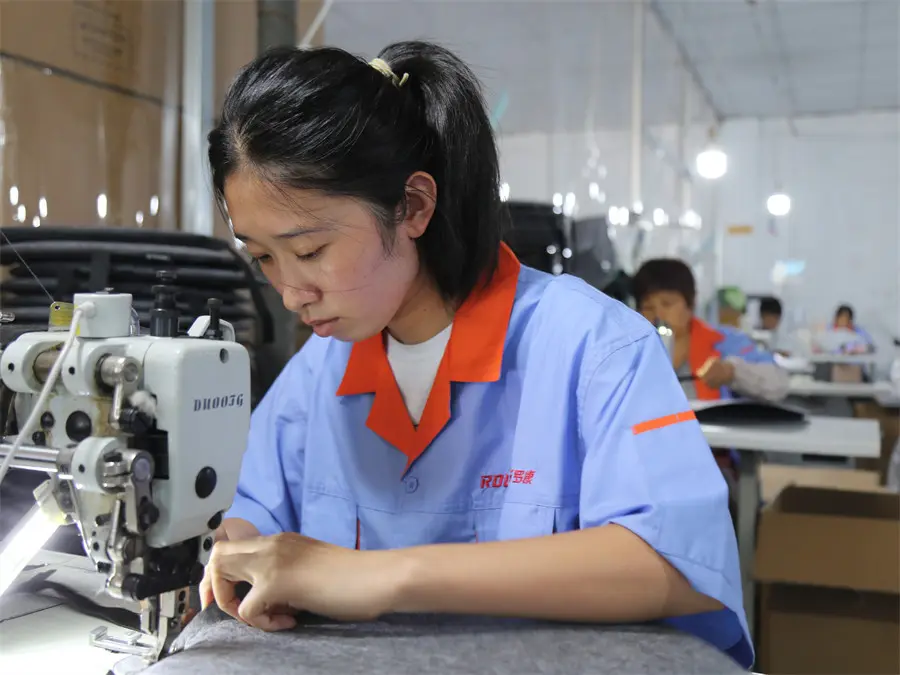
Raw Wool & Synthetic Audits
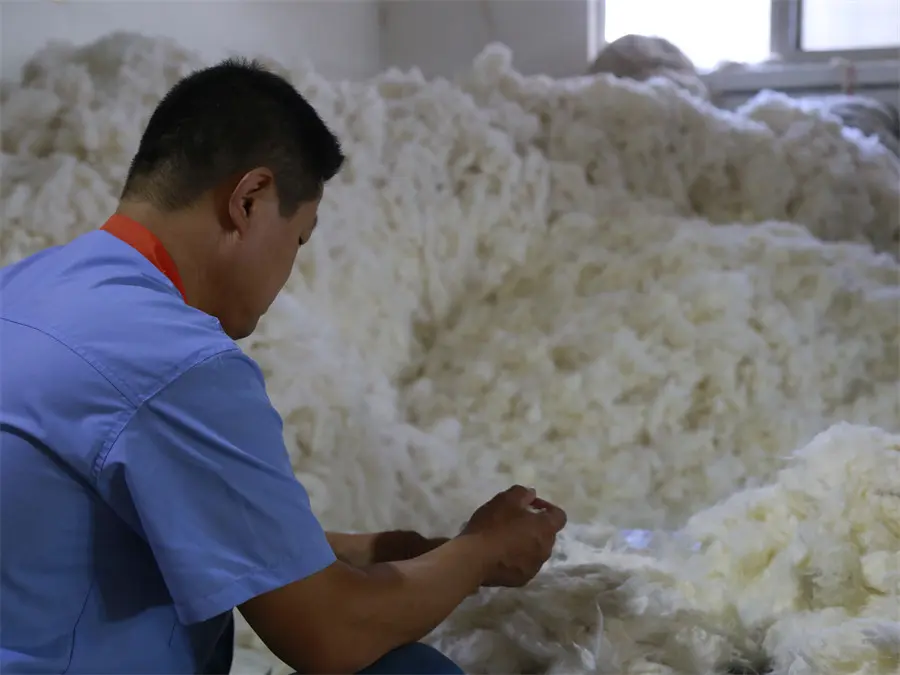
Customs Clearance & Freight Optimization
NRC Coefficient Maximization
We collaborate directly with your local millwork team, architects, and designers to supply raw felt materials or customized felt organizers that fit into your bespoke staircase blueprints perfectly.
Translating Material Innovation into Regional Real Estate & Architectural Value
Different international regions deploy under-stair designs to solve unique spatial challenges:
Our R&D division is actively working towards the next decade of spatial design solutions:
Addressing Technical, Logistical, and Procurement Questions from Commercial Buyers
B2B OEM Customization Services for Smart Under-Stair Storage Implementations
 Ulike Felt