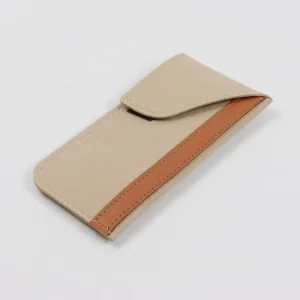
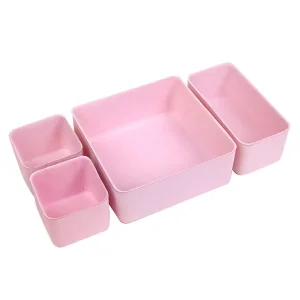
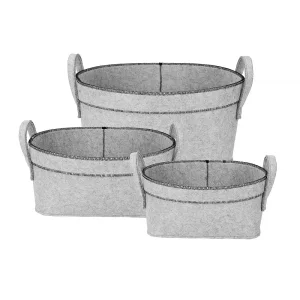
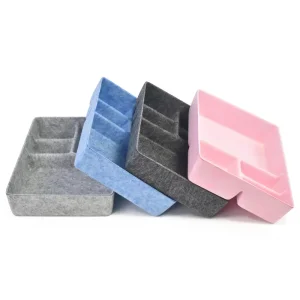
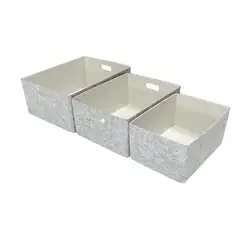
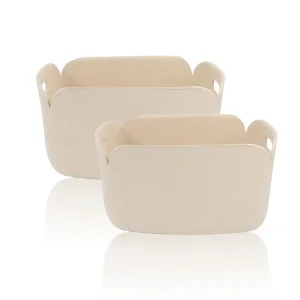
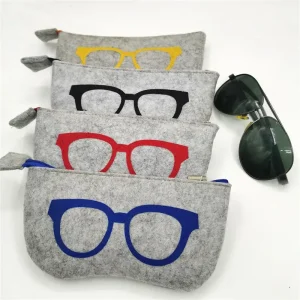
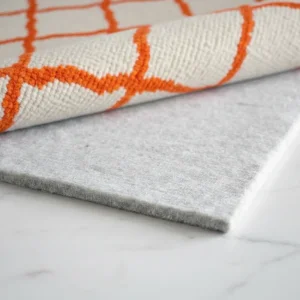
In the contemporary commercial landscapes of B2B organizational hardware, storage is no longer viewed merely as functional repository spaces. It has transitioned into an architectural and ergonomic component of the workflow itself. As multi-national corporations pivot toward spatial optimization, sustainability, and acoustic comfort, modern felt storage baskets have emerged as a premium solution. Our manufacturing methods balance high-density structural performance with minimal aesthetics to serve global commercial, hospitality, and residential projects.
Traditional storage mediums—namely raw plastics and heavy, non-recyclable wires—exhibit systemic vulnerabilities including sound amplification in commercial offices, microplastic flaking, and high shipping volume-to-weight ratios that elevate transportation costs. Engineered synthetic and wool felt composite materials solve these pain points by offering light structural weights, inherent acoustic damping (NRC ratings up to 0.45 when integrated into wall/drawer setups), and modular nestability. These capabilities minimize carbon footprints during transit and significantly reduce warehouse storage space for importers.
Unlike woven fabrics which rely on linear thread intersections, engineered industrial felt is non-woven, manufactured via mechanical needle-punching or thermodynamic consolidation. This process fuses the microfibers into a structural grid that prevents tearing, ensures complete dimensional stability under loads, and maintains structural integrity during high-volume robotic logistics handling.
For strategic sourcing buyers, architects, and product line developers, sourcing from an audited, vertically integrated manufacturer in China is essential to secure competitive unit costs. This also guarantees compliance with international environmental standards (such as Global Recycled Standard (GRS) and OEKO-TEX Standard 100) while ensuring consistency across bulk production batches. Crucial factors like fiber thickness (typically 3mm to 5mm for self-supporting baskets), cross-directional needle-density (GSM ratings between 600g/m² and 1200g/m²), and colorfastness under UV exposure define the product's lifespan in harsh retail or commercial environments.
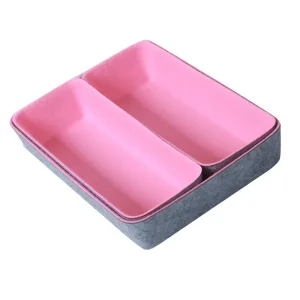
Ulike stands as one of the largest premier manufacturers of specialized felt products in China. Our comprehensive, state-of-the-art facility integrates raw material refinement, structural design, and automated processing lines to deliver premium industrial solutions. Our primary portfolios span across high-durability felt materials, acoustic panels, organic wool dryer balls, customized felt baskets, collapsible felt laundry hampers, and custom-molded desktop organizers.
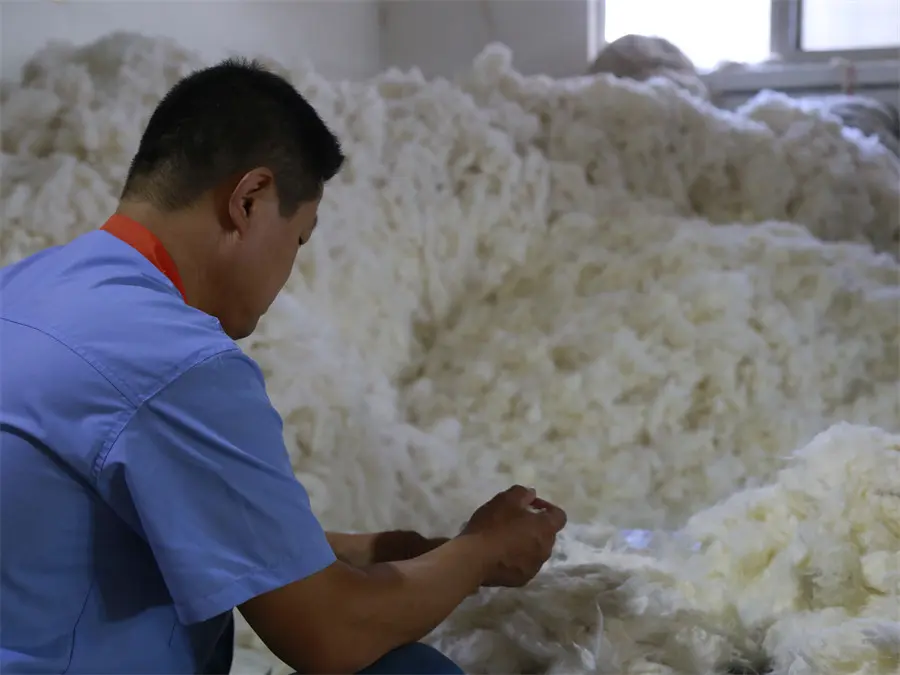
To meet the stringent standards of global enterprise supply chains, Ulike operates under rigorous international quality management audits. Our facilities hold verified certifications including BSCI (Business Social Compliance Initiative), ISO9001:2015, and RWS (Responsible Wool Standard). This guarantees that all orders processed through our facility are eco-friendly, ethically sourced, and fully traceable from raw fibers to finished goods.
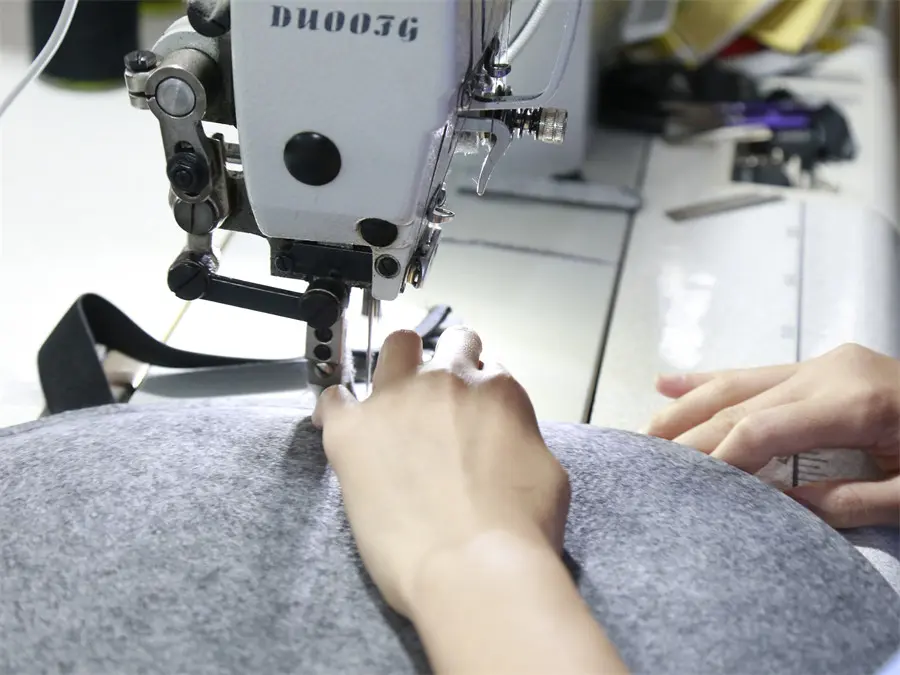
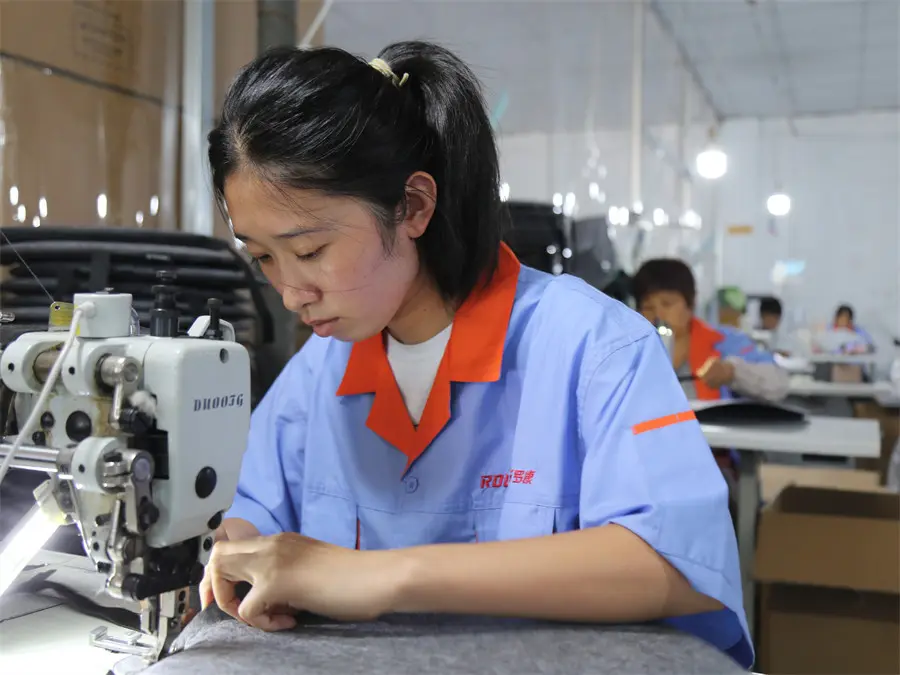
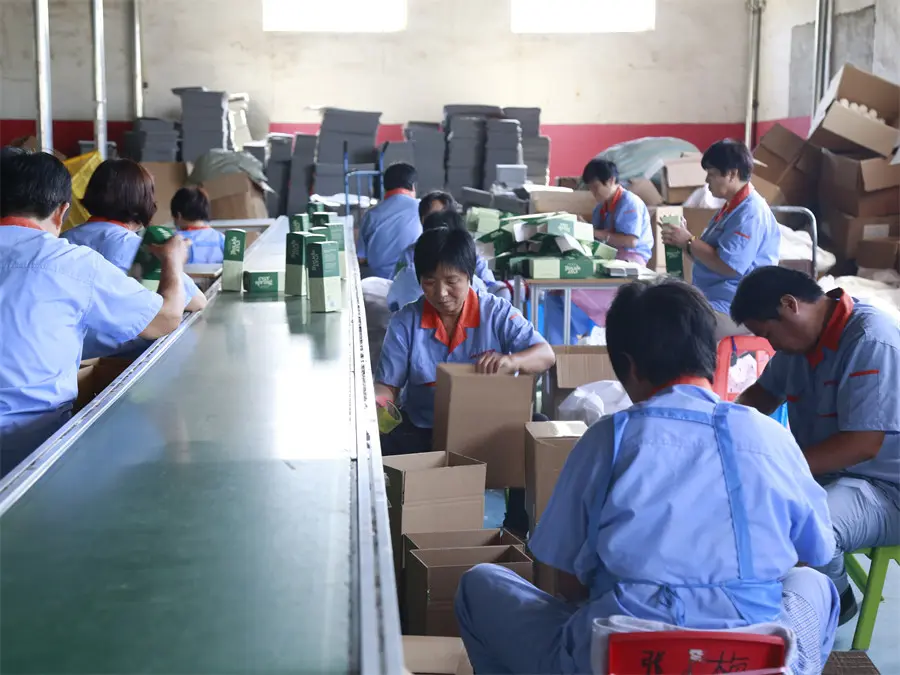
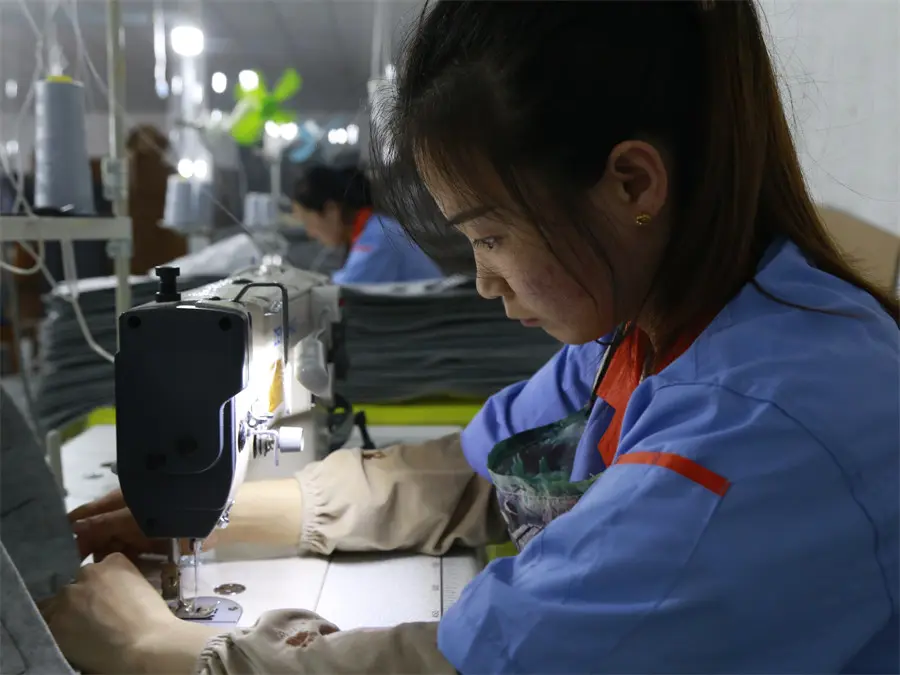
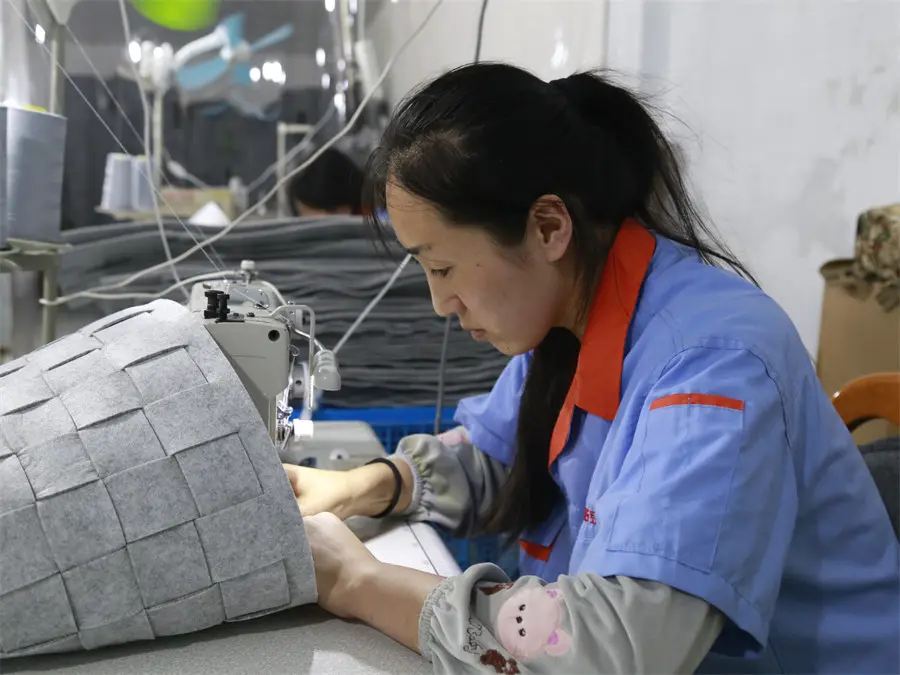
Equipped with 9 automated production lines and a workforce of 80+ highly skilled specialists—most of whom boast over 10 years of direct industry experience—we minimize lead times while enforcing strict quality control protocols at each stage of manufacturing. This allows us to guarantee structural consistency, perfect edge finishing, and optimal product durability for every production run.
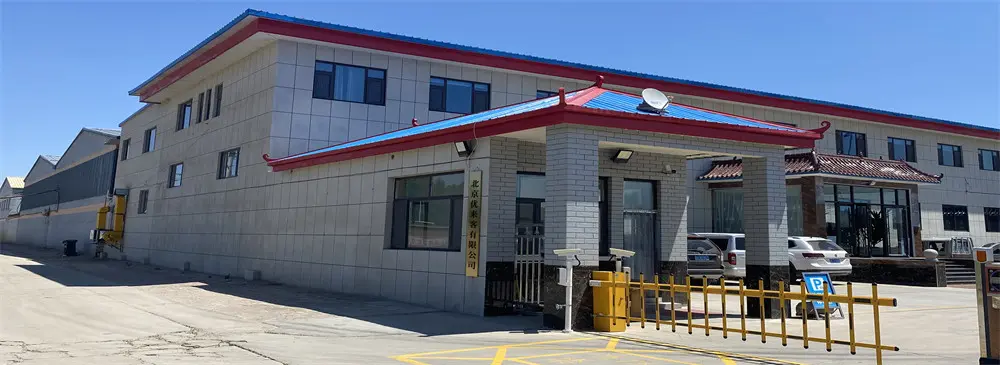
A combination of engineering precision, materials innovation, and client-focused project management defines our market leadership.
We take immense pride in delivering top-notch, highly durable storage products that exceed our customers' expectations and meet stringent global load-bearing standards.
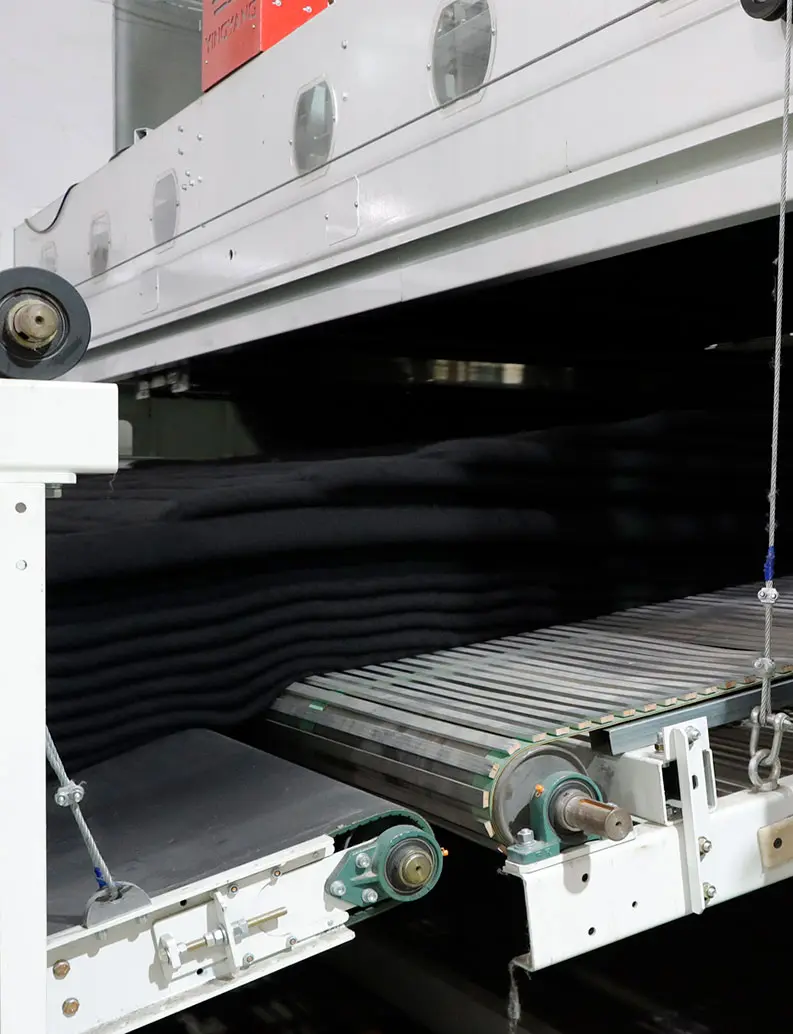
Our dedicated R&D team remains at the forefront of storage product innovations, implementing advanced composite materials, new color blending, and structural modifications.
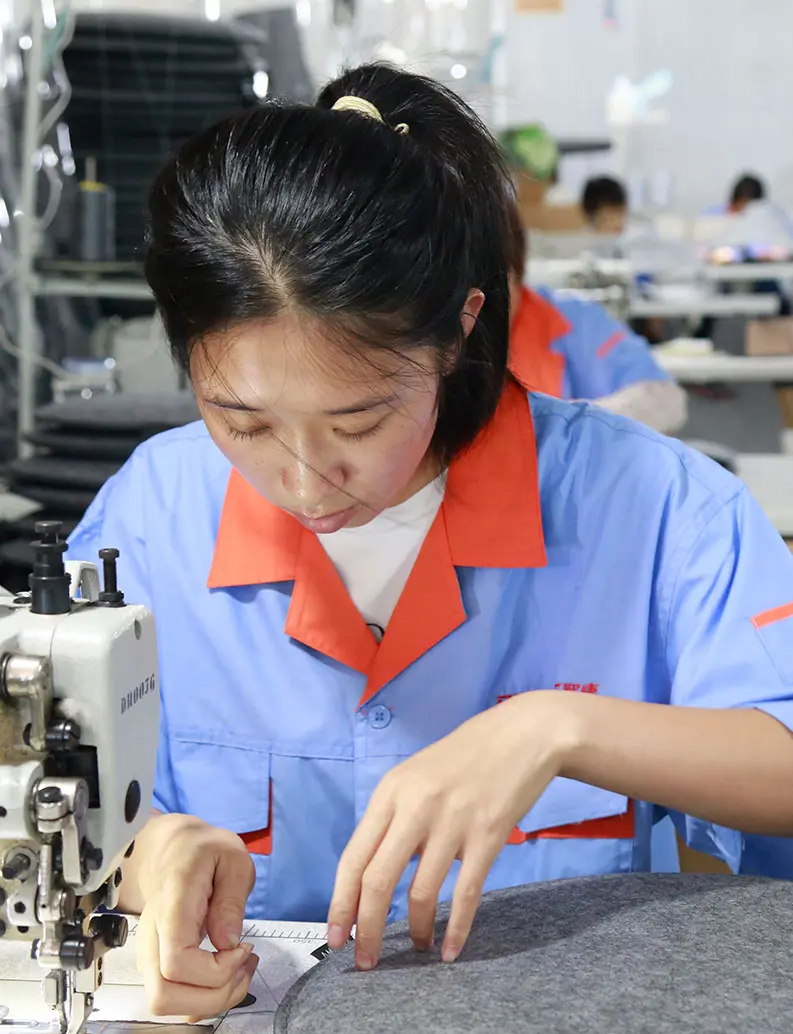
We prioritize open collaboration and long-term client relationships. We customize logistics, dimensioning, and structural densities based on targeted B2B requirements.
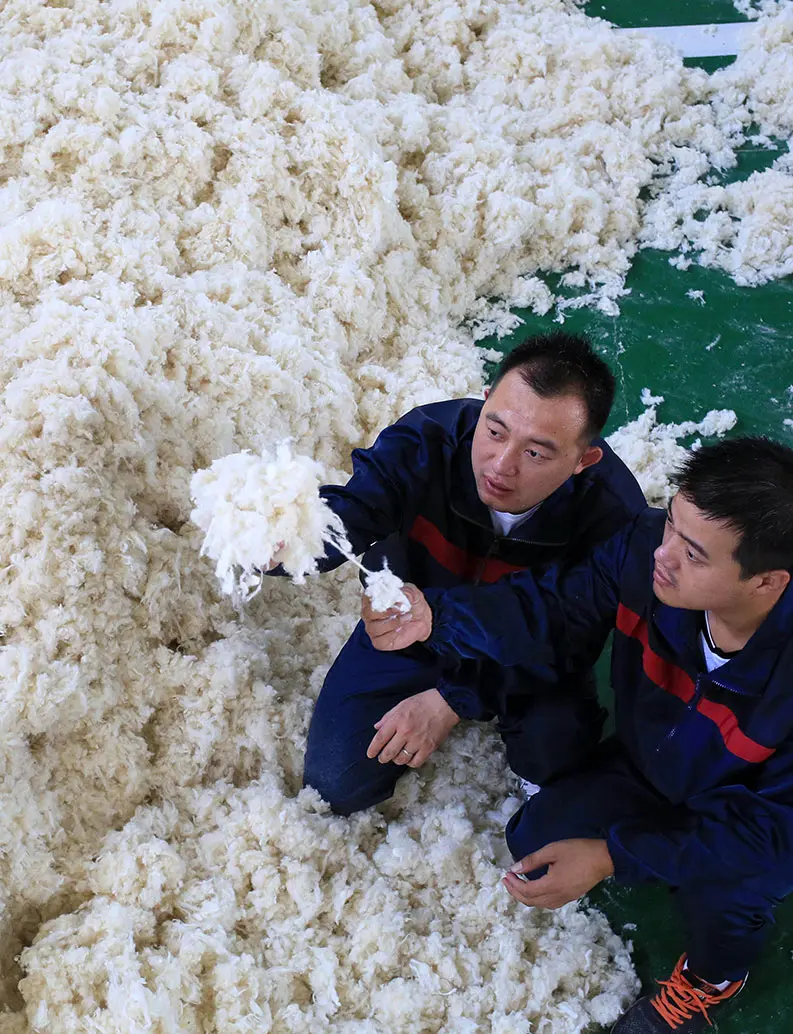
The global industrial landscape relies heavily on China for the fabrication and exportation of modern storage solutions. The reasons extend beyond basic labor cost benefits to encompass deep ecosystem integration, raw material scaling, and logistics consolidation.
Our northern and eastern China production clusters provide immediate access to post-consumer PET bottles (the primary raw material for high-strength synthetic felt) and clean organic wool processing zones. This close integration with the local supply chain minimizes inter-provincial shipping costs, allowing us to maintain stable, highly competitive pricing even during global market shifts. Additionally, Chinese factories have pioneered high-precision machinery—such as laser-die cutters, CNC routers, and thermodynamic molding systems. This machinery produces felt storage baskets with clean edges, seamless joints, and uniform material distribution, achieving a level of consistency that is difficult to replicate in smaller regions.
| Performance Metric | Engineered PET Felt (Ours) | Injection Molded Plastic | Woven Rattan / Seagrass | Wire & Metal Baskets |
|---|---|---|---|---|
| Acoustic Damping | Excellent (NRC 0.45+) | None (Reflective) | Negligible | None (Clattering) |
| Structural Weight | Low (Ultra-Light) | Medium | Low-Medium | High |
| Nesting Capability | High (Nests up to 12 Bins) | Medium-High | Poor (Bulky edges) | Medium |
| End-of-life Recycling | 100% Recyclable (PET) | Conditional | Biodegradable | High (Metal Scrap) |
| Impact Deflection | Flexible (No permanent deformation) | High Risk of Cracking | Brittle (Fibers fray) | Permanent Bending |
From a logistics perspective, modern storage baskets manufactured in our facility are designed specifically to nesting and compression parameters. Unlike rigid metal, wire, or plastic organizers, our high-density felt baskets can be flat-packed or nested deep within one another without causing physical creases or structural damage. This design drastically reduces the volume of each shipment, resulting in ocean freight savings of up to 40% per container load—a major cost-saving advantage for international distributors, wholesalers, and e-commerce aggregators.
Navigating factory pricing structures for OEM storage solutions requires a clear understanding of the key cost drivers. Sourcing managers must evaluate several technical variables that affect the final FOB (Free on Board) quote.
Felt is priced by weight per square meter rather than thickness alone. A 4mm felt basket built with a density of 900 GSM is structurally superior and uses more raw material than a 4mm basket with only 650 GSM. Ensuring you request density specifications in your RFQs prevents supplier miscalculations.
Modifications such as debossed leather handles, custom metal rivets, laser-engraved branding, or integrated dividers require multi-step processing, which increases direct labor costs. Simple die-cut handles, by contrast, offer a cost-effective alternative for high-volume orders.
In addition, dye batch minimums impact pricing. While standard charcoal gray and heather slate fibers are regularly processed in high volumes, custom Pantone matching requires specialized dye runs. This generally demands a minimum order quantity (MOQ) of 2,000 units per color. Understanding these dynamics helps procurement teams balance personalization requirements with budgetary targets.
Always request quotes that detail FOB port locations (e.g., FOB Tianjin, FOB Qingdao, or FOB Shenzhen) alongside packaging volumes. Inquire if the supplier offers automated pressing options to compress the baskets for transit. This single step can significantly reduce your final landed unit cost.
Our OEM modern felt storage baskets serve diverse commercial applications globally, offering tailored functionality for various industrial, corporate, and residential settings.
In modern open-plan offices, managing ambient noise is crucial. Our acoustic-rated desk storage bins and under-desk organizers serve dual purposes: organizing supplies and absorbing high-frequency background noise. They are highly valued by commercial interior designers and office suppliers.
High-end resorts and boutique hotels integrate customized felt laundry hampers and towel baskets to deliver clean, minimalist aesthetics. The soft material protects delicate guest apparel and prevents floor scuffing, which is common with traditional wooden, wicker, or wire alternatives.
For online brands selling on platforms like Amazon, Shopify, or Wayfair, packaging density is critical. Our collapsible drawer dividers and modular basket sets can be flattened to optimize shipping dimensions, helping sellers lower their warehousing fees and FBA logistics costs.
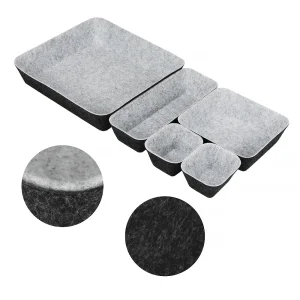
Tech hubs and manufacturing assembly lines use customized non-static felt trays to protect sensitive electronics, sensors, and delicate tools from electrostatic discharge (ESD) during manufacturing, picking, and sorting processes.
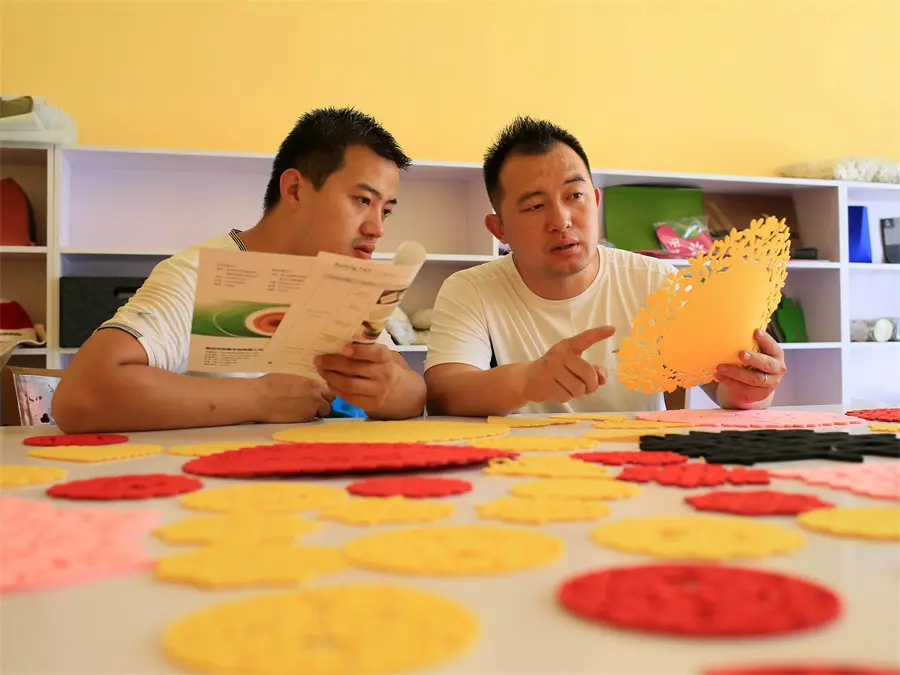
Our dedicated team of professionals drives our manufacturing success. With a shared passion for homeware design and industrial felt engineering, they bring extensive knowledge and technical expertise to every project.
Our team members come from diverse technical backgrounds and offer a wide range of specialized skills. This diversity allows us to approach complex custom projects from various angles to find innovative manufacturing solutions. We emphasize a collaborative spirit, working closely across our design, raw material, pressing, and QC departments to deliver durable, functional products for our global B2B clients.
We invest in continuous learning and professional development, ensuring our engineers and designers stay updated on the latest material sciences, thermoforming advancements, and environmental regulations. This ongoing training helps us maintain high quality standards, ensure structural efficiency, and deliver consistent results. With a client-focused approach, we prioritize transparent, open communication, keeping you informed at every step of production.
As global consumption models evolve, the industrial felt storage sector is adapting to shifting corporate regulations, green procurement mandates, and changing end-consumer preferences.
Corporate procurement is moving toward fully verifiable materials. B2B buyers now routinely require Global Recycled Standard (GRS) documentation to verify that felt fibers are sourced from post-consumer PET bottles. This focus on circular supply chains helps companies meet environmental reporting standards, such as Corporate Sustainability Reporting Directive (CSRD) frameworks.
Future designs are shifting toward composite felt materials that blend synthetic fibers with natural hemp, flax, or organic wool. These blends create a warm, organic aesthetic that aligns with biophilic design trends in commercial spaces, helping corporate settings feel more natural and welcoming.
Driven by rising logistics fees and warehouse costs, storage systems are becoming increasingly modular. Modern baskets are designed to stack, nest, and integrate with standard shelf units (such as Ikea Kallax configurations). Some lines also incorporate RFID tags for smart stock tracking in large-scale corporate environments.
Review our answers to common questions from global sourcing managers, distributors, and logistics partners.
 Ulike Felt