Engineered for commercial-scale fabric conditioning and thermal efficiency under severe regional climatic challenges.
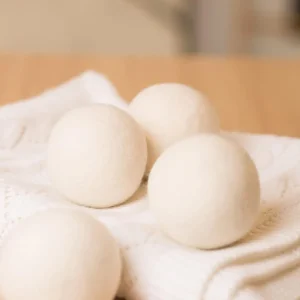
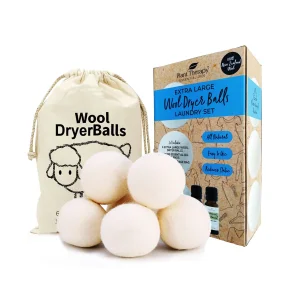
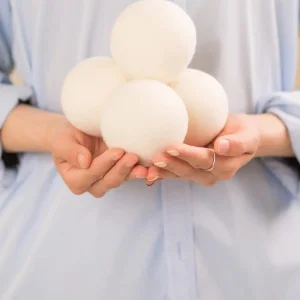
As the United Arab Emirates advances its national strategy toward environmental sustainability, represented by the "UAE Net Zero by 2050" strategic initiative, high-consumption industries are under heavy regulatory pressure to lower energy footprints. The commercial laundry sector—serving some of the world's most luxurious hospitality pipelines, corporate parks, and urban residential zones—represents a highly energy-intensive vertical. Industrial drying cycles consume massive amounts of thermal and electrical energy daily.
In this framework, premium organic wool dryer balls have transitioned from consumer novelty status to critical operational cost-reduction assets. By acting as thermodynamic separators within high-capacity rotary dryers, wool dryer balls mechanicalize the separation of damp laundry. This increases heat circulation, directly lowering average drying cycles by 20% to 30%. For local distributors and industrial procurement directors in Abu Dhabi, Dubai, and Sharjah, sourcing certified wool dryer balls from audited exporters offers a proven mechanism to secure tangible utility savings while aligning with the strict green building parameters mandated by Estidama and the Dubai Green Building Regulations.
The global wool felt manufacturing sector has experienced significant consolidation around high-compliance operations. Traditionally, raw wool processing has faced challenges regarding traceability and processing chemical management. To satisfy the supply chain mandates of multinational hotel chains and major retail distributors, modern exporters must adhere strictly to international manufacturing standards.
The Responsible Wool Standard (RWS) guarantees that raw materials are sourced from farms that prioritize land management and animal welfare, eliminating hazardous chemical scouring practices.
Business Social Compliance Initiative audits ensure ethical labor conditions, fair wages, and safe factory environments across all export-oriented production lines.
Standardized quality management systems ensure consistent product density, weight tolerances, and mechanical stability over thousands of continuous industrial cycles.
By leveraging certified Chinese manufacture—where advanced felt engineering and mechanical carding systems operate at scale—importers in the GCC receive products that combine cost competitiveness with high structural reliability. With a production infrastructure boasting multiple advanced lines and decades of specialized experience, leading facilities deliver the physical density required to survive high G-force industrial tumblers without deforming.
Luxury hotels in the UAE require delicate fabric care for high-thread-count cotton linens and micro-fiber towels. Traditional chemical fabric softeners coat fibers in hydrophobic silicone layers, reducing towel absorbency over time. Solid wool dryer balls mechanicalize this softening process without chemical deposits, keeping linens soft and highly absorbent.
The low ambient humidity typical of internal air-conditioned spaces in the Arabian Peninsula exacerbates static cling in synthetic and poly-blend fabrics. Incorporating high-density felted wool balls helps balance moisture retention, eliminating static charge naturally and reducing the necessity for chemical anti-static sprays.
Wastewater recycling and green building credentials require laundry operations to minimize chemical effluent. Wool dryer balls emit no chemical residue, protecting municipal graywater filtration lines from clogging due to fabric softeners.
To assist procurement managers, the table below provides a structural analysis of felted wool versus synthetic plastic/dryer sheet alternatives under commercial usage conditions:
| Performance Metrics | 100% Felted New Zealand Wool Ball | Plastic/PVC Dryer Balls | Single-Use Dryer Sheets |
|---|---|---|---|
| Cycle Reduction Rate | 25% - 32% (High water absorption) | 10% - 15% (No absorption capacity) | Negligible (Chemical transfer only) |
| Acoustic Footprint | Low (Soft dampening sound) | High (Loud rattling against drum) | None |
| Chemical Content | 0% (Hypoallergenic lanolin traces) | 0% (Potential toxic plastic off-gassing) | High (Quaternary ammonium compounds) |
| Operational Lifespan | 1,000+ Cycles (Biodegradable) | 200 - 300 Cycles (Brittle split risk) | 1 Cycle (Landfill waste) |
| Fabric Longevity Impact | Gentle fiber lifting & softening | Abrasive friction damage | Residue buildup reducing absorbency |
The manufacturing process of wool dryer balls involves several critical steps to ensure durability. Raw wool undergoes scouring to remove excess grease while retaining minimal lanolin. Next, mechanical carding aligns the wool fibers, preparing them for needle felting. This step is essential to achieve a uniform center density, preventing the ball from unraveling during high-speed spinning.
Our quality checks require that each batch meets strict tolerances. Weight, diameter, and density are monitored closely to prevent the uneven tumble dynamics that can damage laundry machinery. Standard wool dryer balls are made without inner synthetic cores, ensuring consistent density throughout the product's lifespan.
For import logistics through Jebel Ali Port (Dubai) or Khalifa Port (Abu Dhabi), pricing is structured on a volume basis. Shipping container planning is critical to minimizing unit landed costs. Below is a pricing framework detailing target FOB and CIF costs for GCC-bound shipments:
| Volume Tier (Units) | Size Diameter (cm) | Unit Weight (g) | Estimated FOB Price (USD) | Custom Packaging Options |
|---|---|---|---|---|
| 5,000 - 10,000 | 7.0 - 7.5 (Standard Large) | 40g ± 2g | $0.35 - $0.45 | Bulk Carton / Polybag Options |
| 10,000 - 50,000 | 7.0 - 7.5 (Standard Large) | 40g ± 2g | $0.28 - $0.34 | Cotton Drawstring Bag with Custom Logo |
| 50,000+ (FCL) | 7.0 - 7.5 (Standard Large) | 40g ± 2g | Contact Procurement Desk | Full OEM/ODM Branding & Custom Sizes |
*Note: Pricing is subject to seasonal fluctuations in raw New Zealand wool markets. Contact our sales department for a formal quote matching your specifications.
As industry standards evolve, manufacturers are researching methods to increase the durability and functionality of wool dryer balls. One focus is the integration of natural essential oil encapsulation. This allows the balls to gradually release pleasant scents, such as lavender or citrus, during the drying cycle, providing an alternative to synthetic fragrance sprays.
Additionally, closed-loop wool reclamation programs are under development. These initiatives will allow commercial clients in the UAE to return worn-out wool dryer balls for sanitizing, shredding, and refelting into industrial acoustic insulation or packaging sheets. This approach supports zero-landfill goals and helps businesses meet their corporate social responsibility (CSR) objectives.
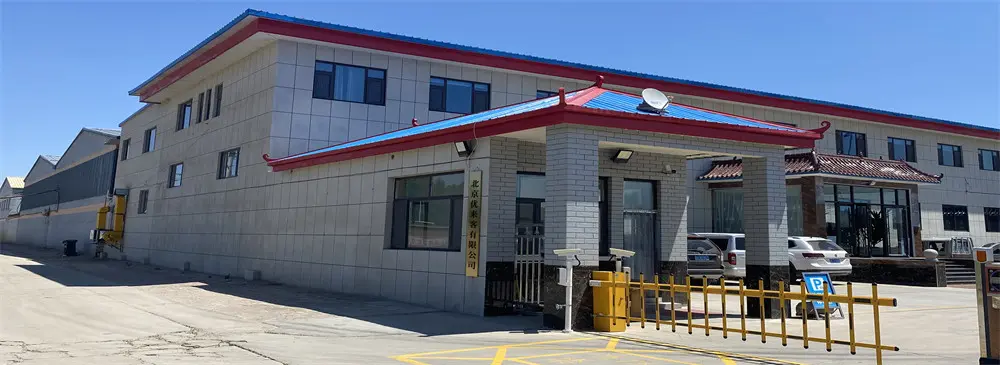
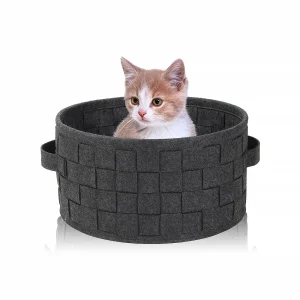
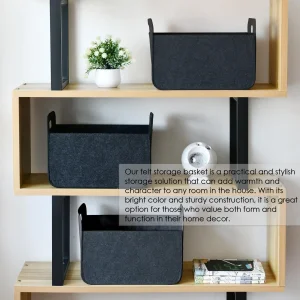
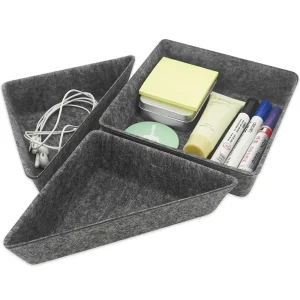
Ulike is one of the largest manufacturers of felt products globally. Our primary business covers industrial felt materials, acoustic panels, wool dryer balls, felt baskets, felt laundry hampers, and custom felt storage items. Holding BSCI, ISO9001, and RWS (Responsible Wool Standard) audits, all our production runs meet international criteria for ecological and labor safety.
With 9 dedicated production lines and over 80 skilled workers—most bringing more than 10 years of experience to the floor—we ensure fast lead times, reliable quality control, and scalable logistics. Our processes utilize natural, renewable fibers to produce items designed to replace single-use plastics and chemical softeners.
Addressing common technical, shipping, and application questions for Middle East B2B buyers.
Connect with our technical export office to receive custom design templates, material certifications, and detailed FOB/CIF pricing for your distribution goals.
Send Inquiry NowComplementary products manufactured to the same quality and labor standards, ready for global export.
 Ulike Felt